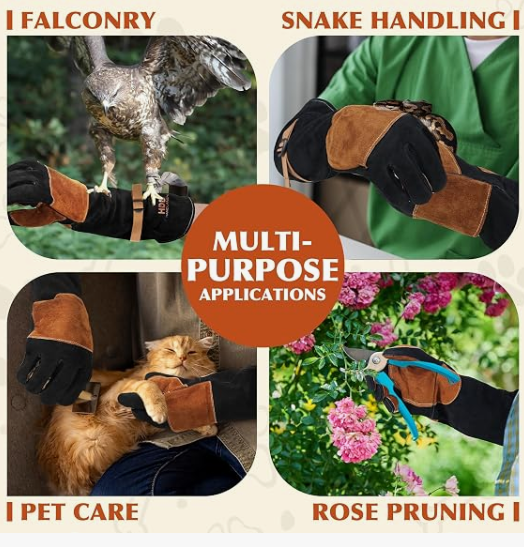
Most people see pet handling gloves as a simple convenience tool—they keep hands clean, catch loose fur and avoid mess during bathing. Few see them as a real safety equipment.
But scratches, bites, germs and chemicals can all harm hands over time. This article rethinks what pet gloves should do: they should deliver more than just cleanliness. They should protect long-term hand health for both pet owners and animal care workers.
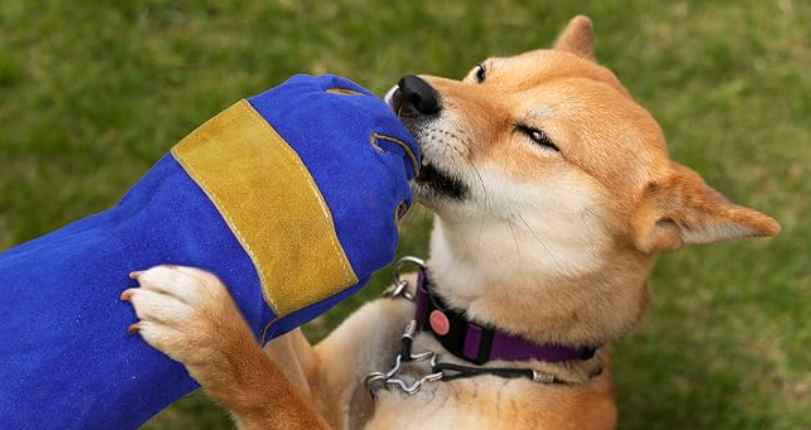
1. Redefining Pet Gloves: Four Core Protection Dimensions
Truly protective pet handling gloves are purpose-built to target real risks in daily and professional pet care, instead of only keeping hands clean. They deliver measurable safety and comfort value across four core dimensions.
1.1 Mechanical Protection
Mechanical protection is the first line of defense against physical injury. It relies on engineered fiber structures and layered reinforcement, not just extra thickness.
Light-grade options use tightly woven knit or coated nitrile to resist minor cat scratches and small dog nips during routine grooming.
Medium-grade designs add reinforced palm layers to withstand sharper claws and moderate bite force during bathing and nail trimming.
Heavy-duty models use high-strength blends such as aramid fiber to reduce deep puncture and bite injury risk for large or reactive animals.
A common misconception is that thicker equals safer. In fact, fine, dense fiber structure delivers better puncture resistance with less bulk and better dexterity.
1.2 Hygienic Barrier
Hygienic protection goes far beyond keeping dirt off hands. It forms a reliable biological barrier against zoonotic pathogens-bacteria, fungi and viruses carried in animal saliva, dander, blood or body fluids. Thin disposable plastic gloves often have micro-pores or tear easily during active handling, which breaks the barrier. Professional protective pet gloves use low-porosity materials such as nitrile or neoprene to maintain an intact, liquid-proof seal. This is especially critical for veterinary examination, wound care and handling sick animals, as it lowers cross-infection risk for both humans and pets.
1.3 Chemical Resistance
Pet care products including shampoos, conditioners, topical flea treatments and disinfectants can break down ordinary rubber gloves over time. Chemical breakdown causes material swelling, cracking and skin irritation, and may even let harmful substances pass through.
Protective pet gloves use chemically formulated polymer materials, most commonly nitrile, which resists degradation from common grooming and cleaning chemicals much better than natural rubber. This prevents skin sensitization and chronic irritation for people who handle pet care products daily.
1.4 Ergonomic Protection
Long hours of grooming, lifting and restraining animals cause hand fatigue, muscle strain and reduced grip control-which in turn increases accident risk.
Ergonomically designed pet gloves feature form-fitting cut, flexible stretch zones and non-slip palm textures. They support natural hand movement, reduce excess gripping force and lower fatigue during extended work sessions. A well-fitted glove also improves finger control, making handling safer and more precise instead of clumsy.

2. How to Evaluate Truly Protective Pet Gloves
Many products are markets as “pet handling gloves”, but their actual protection levels vary widely. You do not need specialized knowledge to judge quality-you can evaluate gloves effectively using four practical, actionable criteria.
2.1 Mechanical Protection Performance
Mechanical protection does not follow the rule of “thicker is safer”. What determines performance is fiber density, structural layering and verified puncture resistance.
- For daily scratch protection(cats, small dogs), choose tightly woven fabric or coated nitrile with a clear puncture resistance rating. Avoiding loose-knit styles that claws can easily snag and tear through.
- For bite risk scenarios(medium to large dogs, exotic animals), select gloves with reinforced palm and finger layers, such as aramid blend construction. Not that no glove is fully bite-proof, higher-grade designs reduce injury risk rather than eliminate it completely.
2.2 Fit and Operational Dexterity
A poorly fitted glove reduces hand control and actually raises accident risk, even if it has strong protective material.
- A well-sized glove follows the natural shape of your hand, with close-fitting fingers and no excess slack at the fingertips. Loose fingertips can catch on claws or animal teeth during movement.
- Look for a secure stretch cuff or adjustable wrist closure to keep the glove from sliding during active handling.
2.3 Durability and Hygiene Maintainability
The protective value of a glove drops sharply once the material is damaged or degraded. Match durability to your use frequency and hygiene requirements.
- Disposal gloves: Best for high-hygiene scenarios such as veterinary examinations or sick animal handling. Replace immediately after each use, or at the first sign of tearing.
- Reusable gloves: Suitable for daily grooming and routine care. Confirm they can be washed or surface-disinfected without hardening, cracking or losing barrier performance.
2.4 Safety Standards and Material Compliance
Reliable protective gloves meet recognized performance standards, not just vague “pet-friendly” marketing claims.
- Prioritize gloves with clear material specifications, such as medical-grade nitrile, food-contact safe polymer or industrial cut-resistant fabric.
- Check for latex-free labeling if you or the animals in your care have latex sensitivity.
- For professional pet care work, look for products that reference relevant PPE(personal protective equipment) standards for puncture, tear or chemical resistance.
3. Conclusion
Today, most people choose pet gloves based on low cost and easy disposal. Common choices include thin disposable plastic gloves, regular household rubber gloves or basic knit gloves.
These work for light, low-risk tasks like brushing fur. But they tear easily, offer almost no puncture resistance and do not block germs or chemicals reliably. This convenience-first mindset makes many people underestimate real hand risks in daily pet care.
Moving from a convenience-first mindset to a protection-first standard means evaluating gloves across four measurable dimensions: mechanical injury defense, hygienic pathogen barrier, chemical exposure resistance and long-shift ergonomic support. The best choice is not always the thickest or most expensive options—it is the glove whose performance matches the actual risks of the specific task.
Whether you are a casual pet owner managing daily care, a groomer working long shifts, or a veterinary professional handling high-risk situation, upgrading your glove selection is a small, low-cost investment. It reduces injury and infection risk, prevents chronic skin irritation and hand fatigue, and supports safer, more comfortable animal care for everyone involved.