Many people use one pair of winter gloves for all outdoor activities. But skiing, cycling and gardening need different hand protection. A glove good for skiing may be too stiff to grip bike brakes. It may also get damaged quickly when touching soil and thorns. This guide helps you choose correctly.
1. Three Different Gloves
Ski Gloves
Ski gloves are built for heavy insulation and snow protection.
- Main needs: Keep heat inside, block snow and cold wind, stay dry.
- Typical design: Thick insulated filling, waterproof outer shell, long sealed cuff, reinforced palm for ski poles.
- Drawback: Bulky. Fine finger movement is limited.
- Best for: Downhill skiing, snowboarding, long time staying in snow.

Winter Cycle Gloves
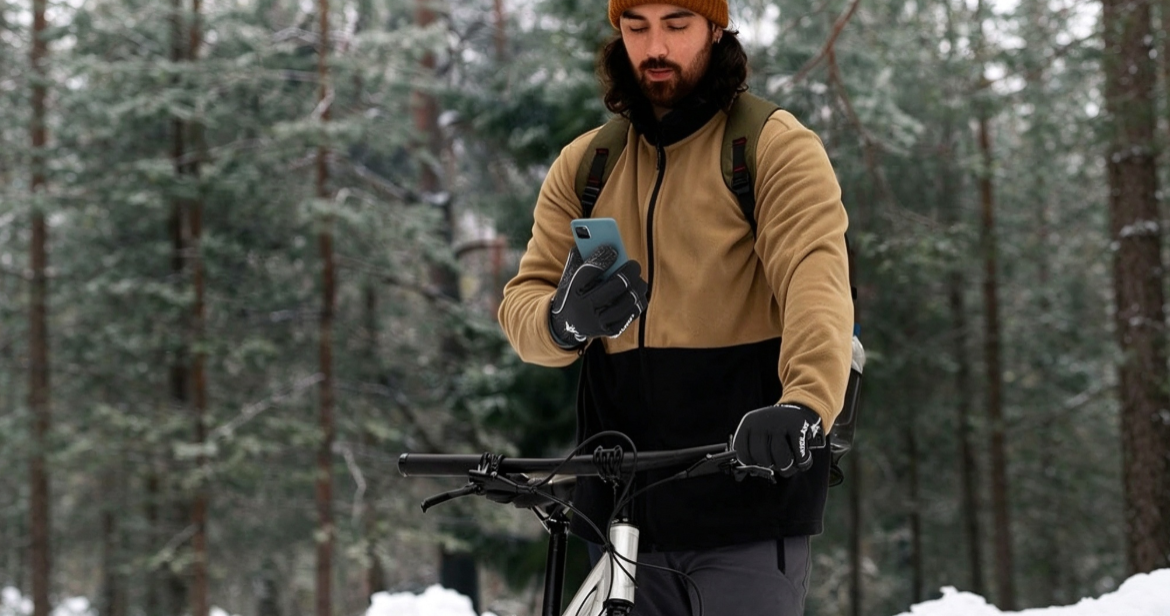
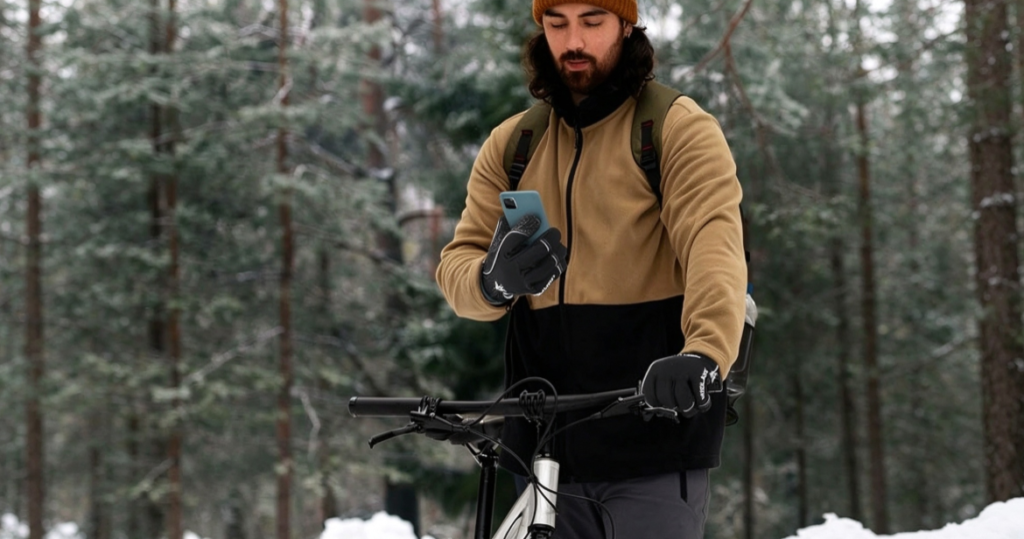
Winter cycling gloves focus on wind resistance and handlebar control.
- Main needs: Block cold wind, reduce vibration from roads, keep fingers felxible.
- Typical design: Slim fit, windproof back, padded non-slip palm, touchscreen compatible fingertips.
- Drawback: Only water-repellent, not fully waterproof. Not suitable for heavy snow.
- Best for: Cold-weather commuting, road cycling.
Winter Garden Gloves
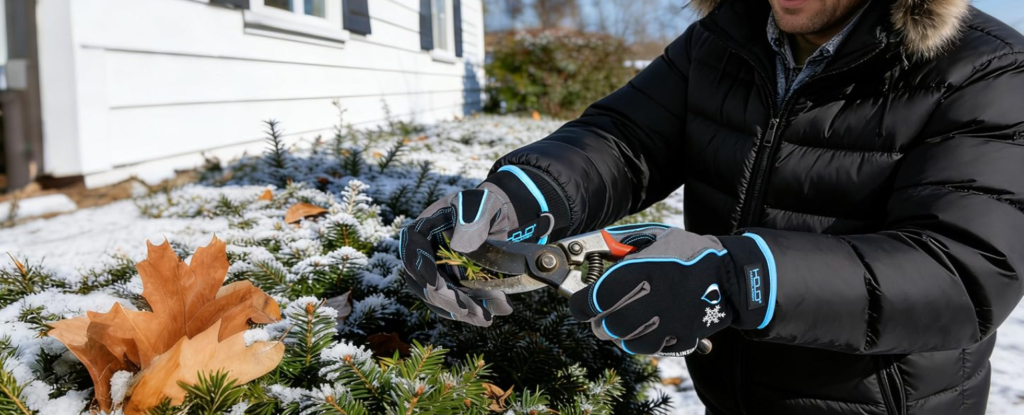
Winter garden gloves prioritize cut and puncture resistance with light warmth.
- Main needs: Protect hands from thorns, rough branches and wet dirt, easy to clean.
- Typical design: Wear-resistant palm, flexible knit back, thin warm lining.
- Drawback: Poor insulation and windproof ability, not for freezing snowy days.
- Best for: Pruning, planting and yard cleaning in mild winter.
2. Practical Buyer Selection Tips
- Check your primary activity first before buying. Do not buy a multi-purpose glove and expect perfect performance.
- If you ski frequently: Prioritize gloves with a tight snow cuff and reliable waterproof membrane. Avoid overly bulky styles if you need to adjust buckles.
- For winter bike commuters: Look for windproof back panels and palm padding. Touchscreen fingertips add convenience when checking navigation.
- For winter gardening: Select washable gloves with puncture-resistant palms. Avoid thick insulated liners, as they hold mud and sweat.
- Think about temperature range. Ski gloves work well below freezing, while garden gloves only suit mild winter days above freezing point.
- Pay attention to fit. Too loose gloves lose heat first, too tight gloves cut off blood flow and make your fingers colder.
- Plan for replacement. Garden gloves wear faster from dirt and thorns, while skin gloves degrade once the waterproof layer gets damaged.
Ski, cycling and gardening gloves are engineered around completely different priorities. Ski gloves focus on snow sealing and maximum warmth. Winter cycling gloves balance wind protection, dexterity and vibration cushioning for handlebar control. Winter gardening gloves lean toward abrasion and thorn resistance, with simple light warmth. There is no one glove that performs well across all three scenarios. Start with your main outdoor task, match the core function you need, and pick the suitable fit and features. This simple rules keeps your hands safe, flexible and comfortable through all your winter outdoor time.