1. Introduction
Tactical gloves are professional protective gear, not ordinary daily gloves. Their core performance including wear resistance, anti-slip grip, flexibility and safety protection is entirely determined by fabric and palm materials.
Different tactical scenarios require targeted material matching. Many users buy unsuitable gloves due to lack of material knowledge. This article systematically explains mainstream tactical glove materials, their professional features and applicable scenarios for accurate selection.

2. Common Tactical Glove Materials & Core Features
2.1 Synthetic Leather
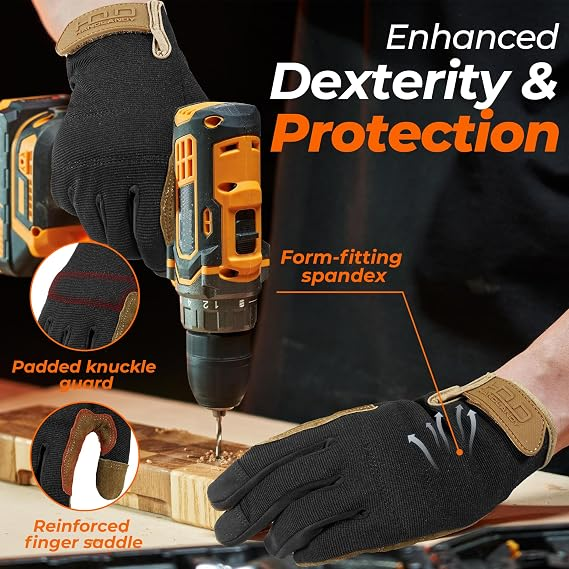
Synthetic leather is the mainstream synthetic material for entry and mid-level tactical gloves. It features stable softness and excellent tensile properties. It resists minor surface abrasion and maintains flexible finger movement. With low maintenance cost and high cost performance, it is widely used in daily tactical training and general outdoor tasks.
2.2 Genuine Leather
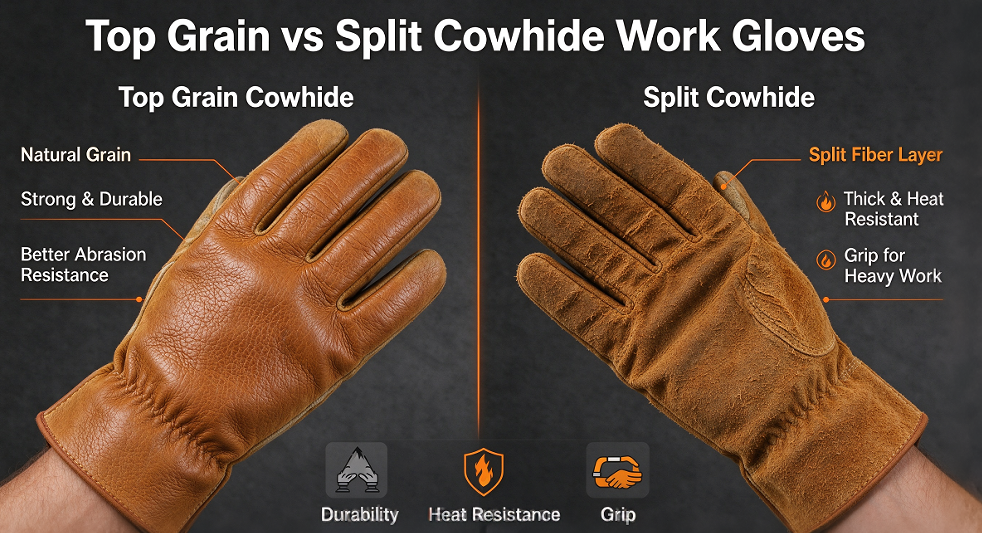
Genuine leather adopts natural cowhide or goathide raw materials. It has outstanding mechanical strength and strong anti-friction and anti-tear ability. It can withstand long-term high-intensity field friction, rough object contact and extreme outdoor environments. It is the standard material for heavy-duty tactical protective gloves.
2.3 Nylon & Polyester
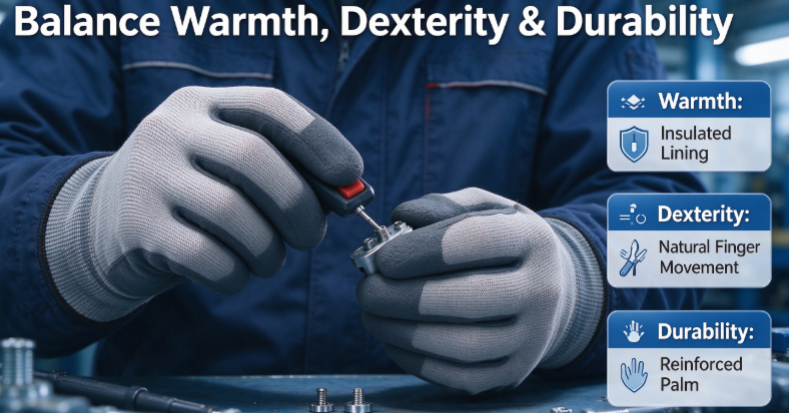
High-density nylon and polyester are lightweight functional fabrics. They have great air permeability and rapid water evaporation performance. The woven structure provides good ductility and mobility. These materials effectively reduce hand stuffiness and sweat accumulation, suitable for long-duration sports and high-mobility tactical missions.
2.4 Rubber & Silicone Palm
Rubber and silicone are common functional coating materials for glove palms. They form a textured anti-slip layer on the glove surface. They greatly enhance friction coefficient between hands and tools. They provide stable gripping force in humid, dusty and low-temperature environments, improving operational stability and safety.
2.5 Reinforced Fiber
Reinforced fiber is a high-performance composite material, usually blended with aramid or high-strength fiber. It has professional anti-cut and anti-puncture properties. It can resist sharp object scratches, blade friction and tiny puncture damage. It is specially used for high-risk operation scenarios that require extreme hand protection.
3. Tactical Glove Material Comparison Table
The following professional comparison table summarizes the core performance indicators of all mainstream materials, helping you quickly complete scenario-based matching and standardized selection.
| Material | Durability | Breathability | Flexibility | Core Advantage |
|---|---|---|---|---|
| Synthetic Leather | Medium | Good | Excellent | Comfortable & cost-effective |
| Genuine Leather | Excellent | Average | Medium | Wear-resistant for heavy use |
| Nylon & Polyester | Medium | Excellent | Excellent | Lightweight & quick-drying |
| Rubber/Silicone Palm | Good | Medium | Good | Super anti-slip grip |
| Reinforced Fiber | Excellent | Average | Medium | Cut & puncture resistant |
4. How to Choose Materials by Usage Scenarios
- Daily Outdoor & Casual Tactical Training: High-density nylon, polyester and synthetic leather are preferred. They balance lightweight performance, basic abrasion resistance and long-wear comfort for daily low-intensity use.
- Heavy-Duty Field Work & High-Intensity Training: Genuine leather and reinforced fiber materials are the best choice. Their high mechanical strength meets the protective demands of frequent friction and rough operation.
- High-Precision Tactical Operation: Thin synthetic leather and thin-gauge nylon fabrics are ideal. Their high ductility ensures sensitive finger feedback and unobstructed fine operation.
- Humid & Slippery Working Scenarios: Gloves with full or partial rubber and silicone palm coating are recommended to enhance surface friction and prevent tool slipping.
5. Common Material Myths to Avoid
- Thick material equals better protection: This is a typical misunderstanding. Excessively thick fabrics reduce finger flexibility and sensory feedback, lowering operational efficiency in actual tactical use.
- Genuine leather is universal: Genuine leather has poor air permeability and slow heat dissipation. It is not suitable for high-temperature environments and long-time continuous wear, which easily causes sweat accumulation and discomfort.
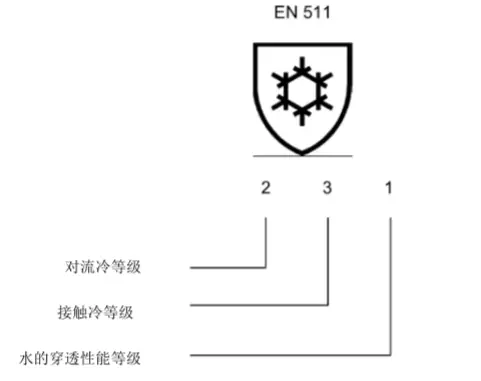
- Waterproof performance has no trade-off: Most fully waterproof materials adopt dense sealing structure, which inevitably sacrifices breathability. Professional selection requires a balance between waterproof demand and wearing comfort.
6. Conclusion
Each tactical glove material has independent functional positioning and professional application boundaries. There is no universal superior material. The standard of high-quality matching is to select materials according to actual operational intensity, environmental conditions and functional demands.
Mastering the professional characteristics of mainstream tactical glove materials can help users avoid wrong purchases, maximize glove performance, and obtain stable protection, flexible operation and long service life in all tactical and outdoor scenarios.