Most workers face a common winter glove dilemma. Super thick gloves keep hands warm but feel bulky, making tool operation and fine tasks hard. Thin gloves offer flexible movement but fail to block cold wind and frostbite risks.
Good winter work gloves never prioritize one feature alone. The best pairs balance three core factors: stable warmth, reliable dexterity, and long-lasting durability. This guide shares simple, actionable rules to help you pick suitable gloves for cold working environments.

1. Common Winter Glove Selection Mistakes
Most unsatisfactory glove choices come from one-sided selection habits:
- Only chasing thickness: Bulky gloves reduce finger flexibility and lower work efficiency
- Only pursuing flexibility: Thin gloves lack stable insulation, leading to cold hands and safety risks
- Ignoring durability: Cheap fragile gloves wear out quickly, increasing long-term replacement costs
- Overlooking waterproof performance: Wet insulation completely loses warmth in frosty, humid winter conditions
2. Three Core Criteria for Winter Work Gloves
2.1 Warmth: Stable Insulation, Not Blind Thickness
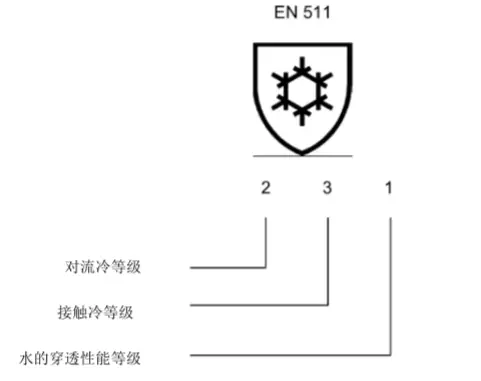
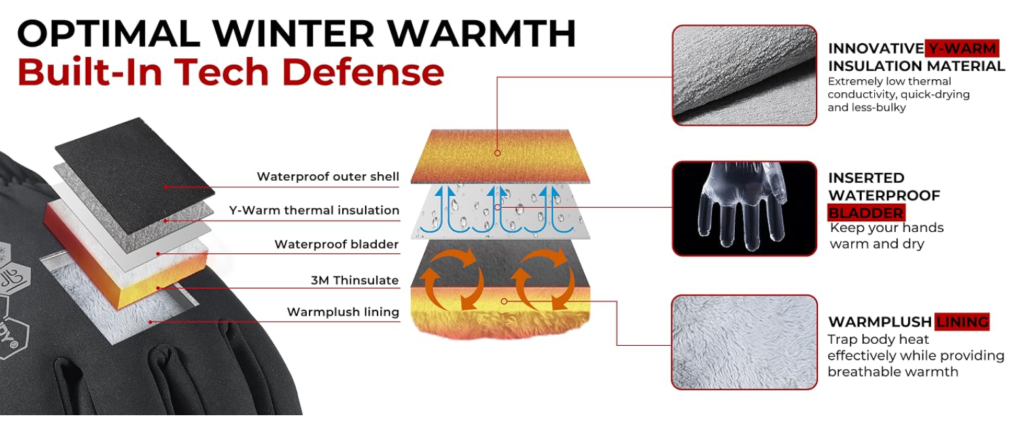
Effective warmth depends on insulation material and trapped air structure, not glove thickness. Certified winter gloves follow the EN 511 standard with professional ITR thermal resistance values. Lightweight high-density insulation locks heat better than thick, loose cotton layers. Always match insulation level to your actual working temperature.
2.2 Dexterity: Unrestricted On-Site Operation
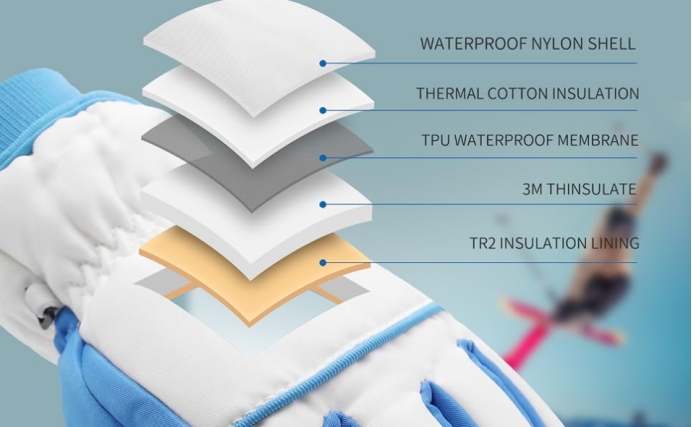
Dexterity means flexible finger bending, sensitive grip and unobstructed daily work. For assembly, packing, tool handling and inspection tasks, dexterity is as important as warmth. Well-designed layered insulation avoids bulk and keep hands flexible during long shifts.
2.3 Durability: Cost-Effective Industrial Performance
Winter work gloves need to resist abrasion, tear and repeated stretching. EN 388 mechanical certification guarantees basic wear resistance. Durable gloves withstand frequent handling and cold- temperature aging, reducing frequent replacement and saving overall costs for teams.
3. Winter Glove Material Science Comparison
Each insulation material has unique structural advantages. The table below explains the scientific pros and cons to support accurate industrial selection:
| Material Type | Warmth | Dexterity | Durability | Best Industrial Scenarios |
|---|---|---|---|---|
| 3M Thinsulate | Ultra-fine fiber traps massive static air; high ITR value with low thickness | Excellent slim-fit design, no bulky resistance | Resists fiber compression, maintains insulation long-term | Cold storage, winter logistics, long-hour outdoor industrial work (best balanced option) |
| Fleece Lining | Soft fiber inter layer stores heat, suitable for mild cold | Superior fingertip flexibility | Low abrasion resistance, easy pilling | Indoor mild cold, precision assembly, light-duty handling |
| Acrylic Insulation | Thick fiber structure provides stable basic thermal resistance | Moderate flexibility, slight bulkiness | Good tensile and wear resistance | General winter construction, daily outdoor handling, cost-sensitive teams |
| Heavy Cotton | Relies on thick fabric stacking, poor air circulation control | Poor flexibility, obvious finger restriction | Easily deformed and compressed under pressure | Static warm keeping only, not recommended for operational work |
4. Standard-Based Matching Strategy by Working Environment
Professional glove selection follows temperature hazard grading and standard parameters, avoiding blind purchase:
4.1 Mild cold (0℃ and above)
Cold hazards mainly come from wind chill. Prioritize high-dexterity gloves with basic EN 511 Level 1-2 insulation. Fleece and thin Thinsulate gloves balance flexibility and comfort for frequent operation tasks.
4.2 Moderate Cold (-5℃ to 0℃)
Continuous low temperature causes gradual hand heat loss. Choose EN 511 Level 2-3 gloves with dual EN 388 mechanical protection. 3M Thinsulate and acrylic insulated gloves deliver balanced warmth, flexibility and wear resistance for long shifts.
4.3 Extreme Cold (Below -5℃)
Frostbite risk rises sharply. Select EN 511 Level 3-4 certified gloves with high ITR thermal values. Prioritize slim layer insulation design to avoid sacrificing basic dexterity while ensuring extreme cold resistance.
4.4 Humid & Frosty Cold Environment
Moisture is the biggest enemy of thermal insulation. Air pockets filled with water lose heat resistance instantly. Always choose EN 511 waterproof Level 1 gloves for cold storage, snowy outdoor and frost- intensive work scenarios.
5. Why Balance is Critical for Industrial Safety & Productivity
Unbalanced glove performance brings hidden operational risks. Overly bulky gloves reduce grip accuracy and easily cause slipping accident. Overly thin gloves lead to numb hands, slow reaction speed and even frostbite. Poor durability increases frequent replacement downtime and overall PPE costs.
Scientifically balanced winter gloves stabilize hand temperature, retain operational sensitivity, and extend service life, which effectively improves workplace safety and long- term work efficiency.
6. Conclusion
Choosing winter work gloves is more than picking a warm pair. The ideal solution balances three non-negotiable factors: thermal insulation, fingertip dexterity and mechanical durability. As this guide outlined, reliable cold protection comes from the air-trapping micro-structure of insulation materials and verified EN 511 thermal ratings, not simply how thick the glove feels. Bulkier gloves often sacrifice finger movement, increasing operational mistakes and safety risks. Meanwhile, EN 388 certification guarantees resistance to abrasion and tearing, preventing insulation fiber collapse under repeated use and low-temperature aging, which helps companies cut recurring PPE replacement costs.
Different lining materials, from 3M Thinsulate and fleece to acrylic and heavy cotton, serve distinct temperature and task scenarios. Humidity, wind chill and contact with frozen surfaces also change how well a glove performs, so one glove type cannot fit all cold workplaces. When procurement teams and on-site workers combine material knowledge with standard specifications, they can avoid common purchasing pitfalls, lower the risk of frostbite injures, and maintain stable work output in cold environments.
Always match glove performance to your actual site hazards instead of relying on subjective feel. A properly selected winter glove protects hands while keeping workers productive, forming a critical part of your complete cold-environment safety program.