For safety managers, procurement teams and industrial distributors sourcing cut-resistant work gloves, HPPE lined gloves deliver cut protection, but few fully understand the material’s performance boundaries. Older cut-resistant solutions such as metal mesh gloves offer strong cut resistance yet come with obvious downsides: they are bulky, rigid and hurt worker productivity for assembly, picking and handling tasks. HPPE changes this trade-off. It provides dependable cut resistance while preserving dexterity, which makes it the standard liner material for modern industrial cut-resistant gloves. This guide breaks down HPPE in plain language, to support your glove selection for on-site worker safety.
1. What is HPPE Fiber?
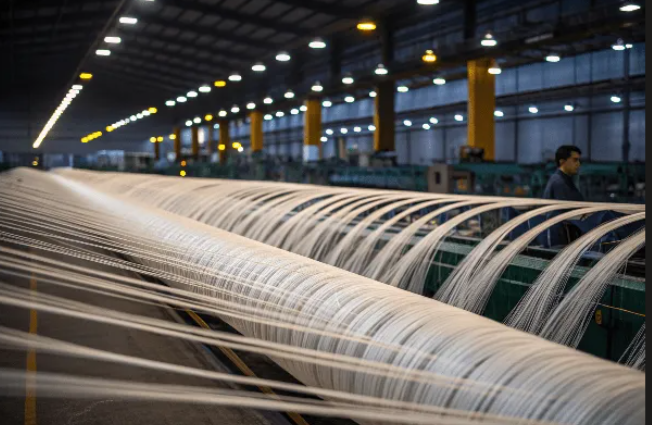
HPPE stands for High Performance Polyethylene. It is a high-strength synthetic fiber produced from ultra-high molecular weight polyethylene. Manufacturers extrude the raw polymer into fine, tough continuous filaments. These filaments are then knitted into seamless glove liners, which form the protective base layer of most cut-resistant work gloves. Compared with heavy metal mesh, HPPE knit is thin and flexible. Workers retain natural finger mobility while protected against sharp edges. This core advantage explains why HPPE liners dominate general industrial cut protection applications.
2. Main Advantages of HPPE Fiber for Industrial Applications
- It delivers reliable cut resistance against utility knives, sheet metal burrs, stamped metal edges and broken glass—the leading sources of laceration injuries in assembly, packaging and metal processing facilities.
- Lightweight construction preserves dexterity. Operators can handle small fasteners, pick components, scan barcode and operate hand tools without frequent glove removal. Less glove doffing directly reduces exposure to unexpected cutting hazards.
- It has good abrasion resistance. In continuous-shift environments where gloves repeatedly contact rough pallet edges, metal frames and concrete surfaces, HPPE liners outlast standard cotton and polyester knit alternatives.
- The open knitted construction supports airflow. For workers wearing gloves through full 8-12 hours shifts, better breathability lowers sweat buildup, reduces discomfort and improves overall glove compliance on site.

3. Key Limitations of HPPE Fiber for Workplace Risk Assessment
- HPPE will melt contact with high heat. Plain HPPE liners are not suitable for welding, hot component handling or any task involving hot surfaces. Melted fiber loses all cut resistance and may adhere to skin, creating extra injury risk.
- Puncture resistance is limited, fine sharp hazards such as small nails, sharp wire and needles can penetrate standard HPPE knit. Workstations with puncture risks require gloves with reinforced palms, extra coatings or blended high-performance fibers.
- Uncoated HPPE knit provides no barrier against oil, grease and common industrial chemicals. For maintenance, machining and oil-handling roles, specify HPPE gloves with nitrile or PU coating for liquid and oil resistance.
4. HPPE VS Kevlar: Important Differences for Glove Selection
| Feature | HPPE | Kevlar |
|---|---|---|
| Heat resistance | Low, melts at high temperature | Excellent, does not melt |
| Cut resistance (same thickness) | Higher cut level | Good, lower than HPPE |
| Flexibility & comfort | Softer, lighter, more breathable | Stiffer, may feel scratchy |
| UV resistance | Poor, degrades under long sun exposure | Good, stable under UV light |
| Best suited scenarios | General cutting, glass, metal trimming, warehouse work | Hot part handling, jobs with heat + cut risk |
5. Typical Industrial Applications for HPPE Cut Resistant Gloves
- Automotive component assembly and deburring
- Glass fabrication, panel handling and cutting
- Metal stamping, finishing and part sorting
- E-commerce and manufacturing warehouse picking & packaging
- Construction and renovation
- Food processing involving cutting blades and shape utensils
6. Practical Purchasing Guide
- Align the ANSI cut rating with your actual site hazards. Over-specifying high cut levels often reduces dexterity and raises unnecessary costs.
- Select the right coating based on exposure: PU coating optimizes dry grip, nitrile coating adds resistance to oil, grease and light liquids.
- Establish clear replacement rules for your team. Once the HPPE knit is snagged, torn or heavily frayed, the liner’s cut protection is compromised and gloves must be discarded.
- Do not assign uncoated plain HPPE gloves to workstations with high heat, chemical splash or heavy puncture risks.
- When heat is part of your hazard, compare Kevlar options instead of HPPE for your glove program.
HPPE fiber is the foundational material for today’s mainstream lightweight cut-resistant work gloves. It strikes a practical balance between cut protection, dexterity and long-shift comfort for your frontline workforce. While Kevlar stands out for heat tolerance, HPPE offers stronger cut performance and better value for most cold cutting tasks. Always map glove selection to your site’s unique hazard profile, and choose the correct HPPE fiber blend or coated variant, to keep workers safe while controlling your budget.