1. Introduction
TPR, short for Thermoplastic Rubber, is a high-performance composite material that integrates the dual advantages of thermoplastic plastics and traditional rubber.
It boasts outstanding elasticity, wear resistance, impact resistance and weather adaptability, so it is widely adopted in the glove and protective gear industry. In terms of processing performance, TPR can be heated, plasticized and shaped freely. After cooling, it can restore its stable original properties, showing excellent processability and reusable value.
2. Core Characteristics of TPR Material
2.1 Superior Protective Performance
Compared with ordinary rigid protective materials, TPR is much lighter with better impact buffering capacity. It effectively disperses and cushions external impact forces, providing reliable protection for finger joints and hands without bringing heavy wearing burden.
2.2 Durable Wear & Slip Resistance
TPR features excellent wear resistance and high tear strength, resisting daily friction and deformation. Many tactical and work gloves adopt TPR palm coating to enhance anti-slip performance, ensuring a firm and stable grip on various tools and equipment.
2.3 High Safety Performance
Qualified industrial-grade TPR materials are non-toxic and harmless to the human body. Long-term direct skin contact will not cause health risks, meeting the safety standards for daily work and outdoor use.
2.4 Excellent Flexibility
TPR maintains a soft and flexible state in conventional use environments. It will not harden or stiffen, supporting free and flexible finger movement. It ensures precise operation without restriction.
2.5 Stable All-Weather Adaptability
This material has reliable weather resistance and adapts to extreme temperature changes. It will not freeze and harden in cold weather, nor soften or deform in high-temperature environments, keeping stable protective performance all year round.
3. Main Application Scenarios of TPR Material
3.1 Industrial Safety Protection
TPR is widely used in mechanical maintenance, mining, construction, oil extraction and other industrial scenarios. It effectively protects hands from injuries caused by falling heavy objects, sharp piercing and intense friction.
3.2 Outdoor Sports & Tactical Training
It is ideal for motorcycle riding, rock climbing, field tactical training and other outdoor activities. It stabilizes joint protection while retaining sufficient hand flexibility, balancing safety and operability.
3.3 Rescue & Special Operations
In high-risk fields such as fire rescue and glass product manufacturing, TPR protective gloves are commonly matched with cut-resistant fiber liners. They provide dual protection against impact, cutting and piercing injuries.
3.4 Daily Light-Duty Protection
TPR is also applied to household work and daily light-duty scenarios. It focuses on basic anti-collision and anti-wear protection, meeting daily casual protective needs.
4. TPR Application in Tactical & Outdoor Gloves
As a core functional material for high-performance tactical gloves, TPR is mainly applied to two key protective parts.
4.1 Knuckle Impact Protection
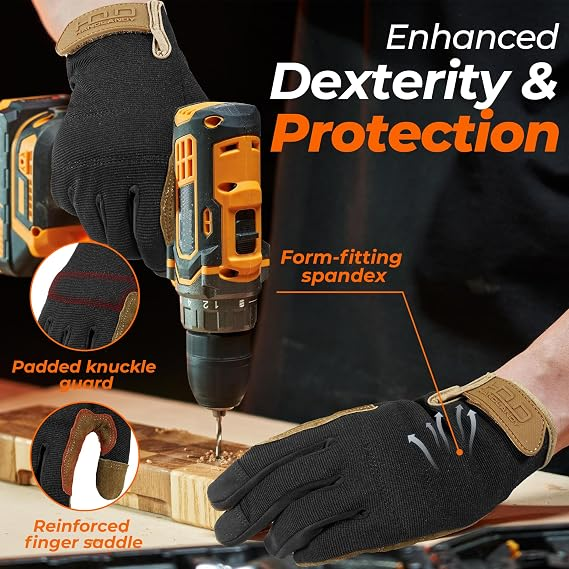
TPR protective layers cover the finger knuckles, which can resist external impact, extrusion and collision. It effectively protects finger joints during tactical training, field work and outdoor exploration.

4.2 Palm & Finger Reinforcement
TPR reinforcement on fingertips and palms improves overall wear resistance and anti-slip ability. It prevents slipping when gripping tools and enhances operational stability and safety in complex outdoor and working environments.
5. Conclusion
TPR is a versatile, high-performance material that perfectly combines the processability of plastic and the protective properties of rubber. It integrates impact resistance, wear resistance, flexibility and all-weather stability.
With unique material advantages and wide scenario adaptability, TPR has become a standard protective material for modern tactical and outdoor gloves. Choosing gear with qualified TPR materials can bring you safer protection and more comfortable wearing experience in work, training and outdoor activities.