The dipped glove is a ubiquitous icon in workshops, laboratories, and industrial sites. Its journey, however, is one of constant innovation. What began as a simple method to enhance grip has evolved into a precision engineering process that imbues gloves with a suite of protective properties. This article traces the evolution of dipping technology from its basic origins to today’s multifunctional, compound coatings.
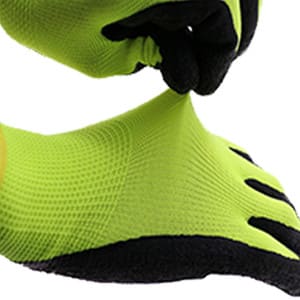
The foundational impregnation and dipping principle involves coating a textile glove liner (usually cotton, nylon, or polyester) with various polymer compounds to create a continuous protective layer on the palm and fingers. Initially, the goal was straightforward anti-slip performance. This was achieved by creating textured surfaces—from simple patterns to embedded PVC particles—to increase friction.
The first major evolution was driven by the need for chemical and physical resistance. Dipping formulas moved beyond basic natural rubber latex to include:
- Nitrile: For superior resistance to oils, greases, and solvents.
- Polyurethane (PU): To create a thin, flexible coating with excellent abrasion resistance and dry grip.
- PVC: For a cost-effective balance of durability and chemical resistance.
This shift transformed gloves from mere grip aids into essential barrier protection, guarding against prolonged exposure to industrial fluids and wear.
Today, the frontier of dipping technology is multifunctional fusion. By modifying the chemical composition of the dipping compound or creating composite coatings, a single glove can now offer a combination of properties:
- Antistatic Properties: Essential in electronics manufacturing, achieved by incorporating conductive materials to safely dissipate electrostatic charge.
- Acid/Alkali Resistance: Critical for chemical handling, developed through specialized polymer blends that resist corrosive penetration.
- Cold Resistance: Modified polymers that remain flexible at sub-zero temperatures, preventing the coating from hardening and cracking.
- Cut Resistance: The dip process can be used to bind and fix high-performance fibers (like HPPE) within the coating matrix, adding a critical cut-protection layer without sacrificing dexterity.
Furthermore, modern production techniques have become highly refined. Processes like multi-phase dipping allow for different coatings on the palm and fingers for optimized performance. The use of coagulants (like calcium nitrate) enables faster, more controlled gelling of the coating, improving efficiency and consistency.
In conclusion, the evolution of glove dipping mirrors the growing complexity of industrial safety demands. It is no longer just a finishing step but a core material science that integrates anti-slip, durability, chemical defense, and specialized protections into a single, cohesive shield. This transformation ensures that the modern dipped glove is a highly engineered tool, actively safeguarding the worker’s hands against a multifaceted array of workplace hazards.