For a professional landscaper or serious gardener, gloves are not an accessory; they are essential tools. The wrong glove can cause blisters, fail to protect, and slow you down. The perfect glove feels like a second skin that defends you. Let’s look at the anatomy of a top-performing gardening glove.
1. The Palm: Grip is Everything.
This is your primary contact point. The material here determines your control.
- Goatskin Leather: The gold standard. It’s strong, supple, and forms to your hand over time. It offers excellent abrasion resistance against rough wood, stone, and tools.
- Synthetic Leather (e.g., Clarino, Microfoam): A great alternative. Often more breathable and quicker-drying than leather, with very good grip and decent durability. Perfect for damp climates or mixed tasks.
- Rubber/Nitrile Coating: Provides a superior, non-slip grip on wet tools, pots, and muddy surfaces. Look for coatings only on the palm and fingers (“nitrile dip”) to keep the back of the hand breathable.
2. The Fingertips: Precision and Protection.
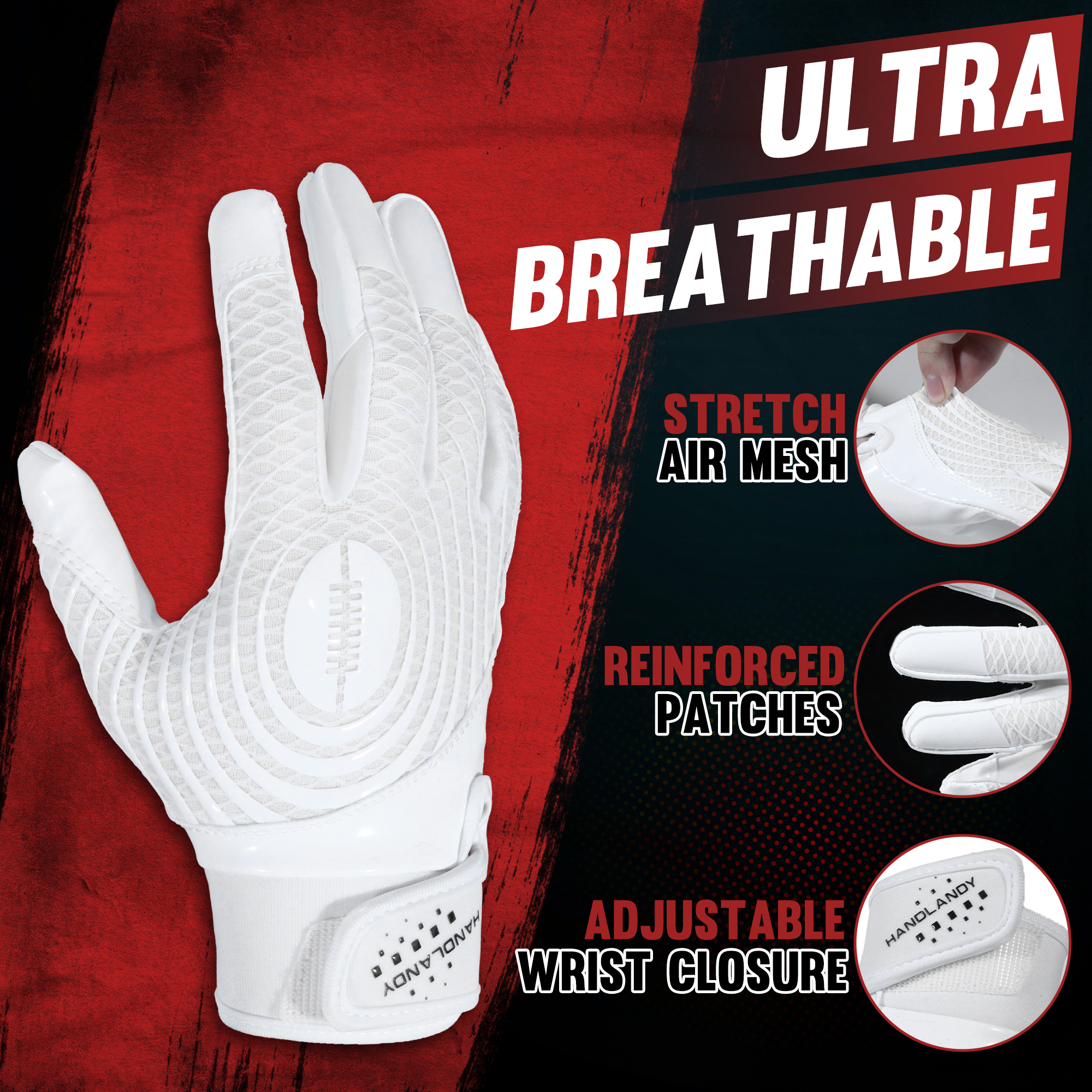
- Reinforced Tips: Extra layers of material (often the same as the palm) on the thumb, index, and middle fingers. This is crucial for planting, pruning thorns, or handling wire without wear-through.
- Touchscreen Compatibility: A modern must-have. Allows you to use phones or tablets without removing your gloves, saving time and keeping hands clean.
3. The Knuckles and Back: Defense and Comfort.
- Breathable Mesh Back: Essential for all-day comfort. It lets heat and sweat escape, preventing hot, sweaty hands. Some have stretch panels for a better fit.
- Knuckle Protection: A rigid or padded overlay on the knuckles protects against bumps and scrapes when reaching under bushes or handling rocks.
4. The Wrist and Cuff: Keeping Debris Out.
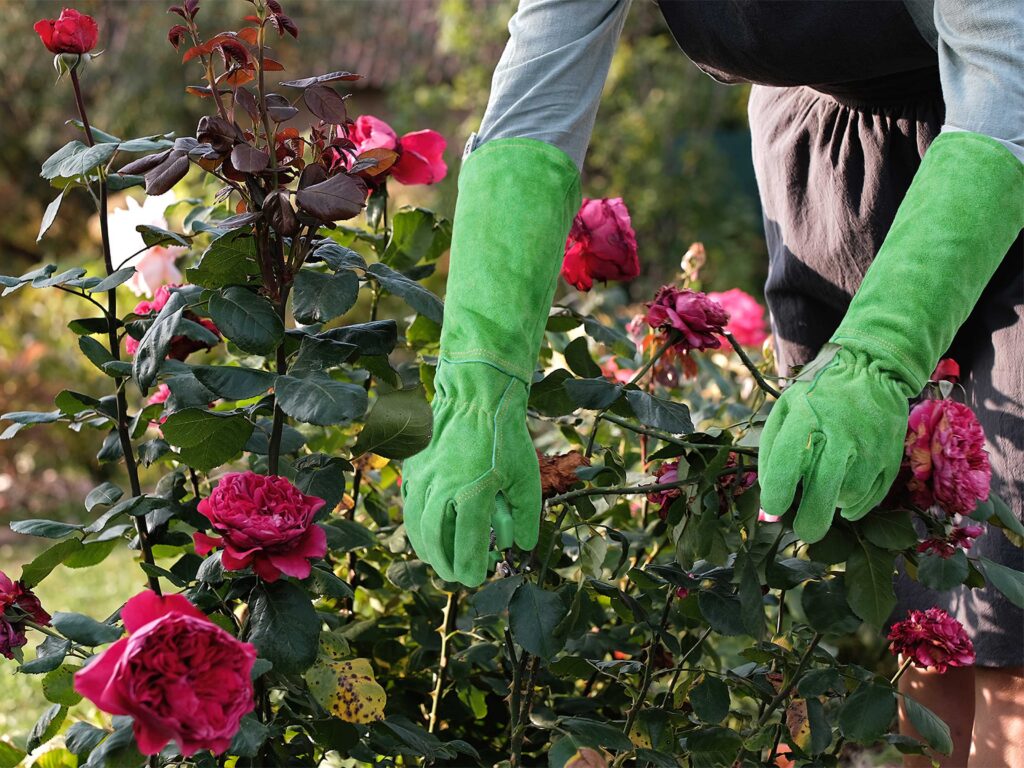
- Extended Gauntlet Cuff (Long): Protects the forearm from scratches when reaching into rose bushes, brambles, or rough shrubs. Often has a hook-and-loop strap for a secure closure.
- Shorter Wrist Cuff: Offers more freedom of movement for finer planting work or operating machinery. Look for an elasticated wrist to keep out dirt and small debris.
5. The Fit: The Foundation of Performance.
Even the best materials fail if the glove doesn’t fit.
- Sizing Matters: Professional brands offer XS-XXL for men and women. A proper fit prevents bunching and blisters.
- Pre-Curved Fingers: Gloves sewn in a natural, slightly curled hand position reduce hand fatigue and eliminate excess material at the fingertips.
The Pro’s Selection Guide: Match the Glove to the Task.
- Heavy Duty (Clearing, Pruning Thorny Plants): Goatskin palm, reinforced fingertips, gauntlet cuff. Example: “We need these for clearing blackberry bushes.”
- All-Day Planting & Maintenance: Synthetic leather or nitrile palm, breathable mesh back, touchscreen tips, elastic wrist. Example: “My crew uses these for 8-hour planting shifts.”
- Wet & Muddy Work (Potting, Watering): Full nitrile or rubber coating, waterproof, lined for easy on/off. Example: “We work in the nursery and are constantly handling wet soil.”
Ask Before You Buy:
When evaluating gloves, ask: “Can I get a sample pair to test?” Feel the materials, check the stitching, and simulate a task. The right glove should feel like an immediate upgrade to your workflow.
Conclusion: Your Hands Are Your Business. Invest in Their Protection.
The perfect gardening glove is a system of thoughtful design choices. By understanding its anatomy, you move beyond buying a disposable item to investing in a productivity tool that protects your most valuable assets—your hands.