Introduction
When evaluating work gloves for industrial, mechanical, or construction use, most buyers focus on coatings, leather types, or safety ratings. However, two hidden but critical factors define how long a glove will actually last:
- The yarn used in the glove base
- The stitching that holds the glove together
High-quality yarn and professional stitching can double or even triple the service life of work gloves, while low-quality materials and weak seams lead to early tearing, fraying, and failure.
In this guide, we explain exactly how yarn and stitching influence work glove longevity and what to look for when selecting long-lasting industrial gloves.
How Yarn Quality Directly Improves Work Glove Longevity
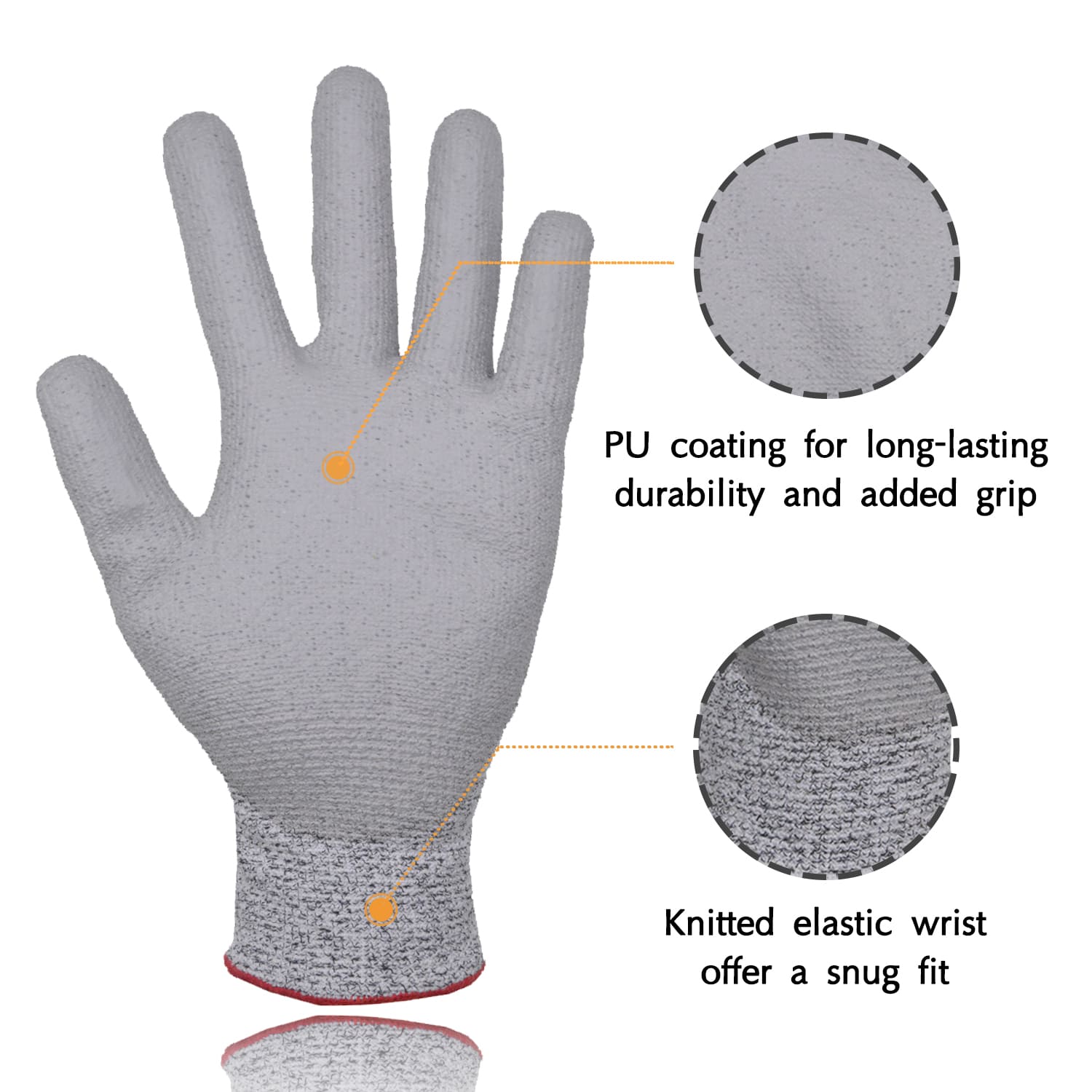
The yarn is the foundation of every knitted work glove. Its composition, strength, and structure determine resistance to abrasion, tearing, stretching, and daily wear.
1. Yarn Material Determines Basic Durability
Different fiber types offer vastly different lifespans:
- Polyester yarn: Strong, abrasion-resistant, and shrink-proof – the most common choice for heavy-duty industrial gloves.
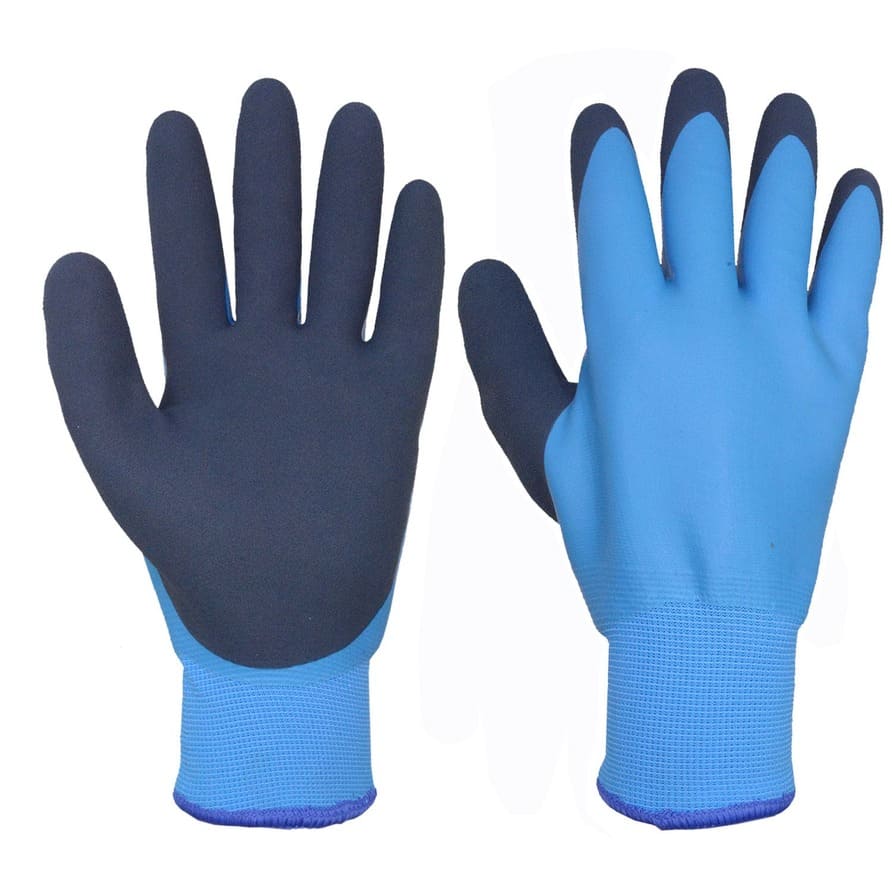
- Nylon yarn: High elasticity and tear resistance, ideal for gloves that need flexibility and durability.
- Cotton-polyester blend: Balances comfort and strength for general-purpose work gloves.
- Aramid (Kevlar) / UHMWPE yarn: Ultra-high cut and abrasion resistance for extreme-duty mechanical and metal handling gloves.
Gloves made with cheap, thin, or recycled yarn wear out quickly under industrial conditions.
2. Yarn Strength & Tenacity
Stronger yarn withstands higher tension and friction. Industrial-grade gloves use high-tenacity yarn with a breaking strength of 50N or higher, preventing snapping during heavy lifting or gripping.
3. Yarn Evenness & Uniformity
Smooth, even yarn creates a consistent base without weak spots. Irregular or lumpy yarn leads to thin areas that wear out first, shortening the glove’s usable life.
4. Resistance to Friction & Deformation
High-quality yarn maintains its shape after repeated bending, gripping, and rubbing. Low-grade yarn stretches out or frays, making gloves loose and ineffective.
How Stitching Quality Extends Work Glove Lifespan
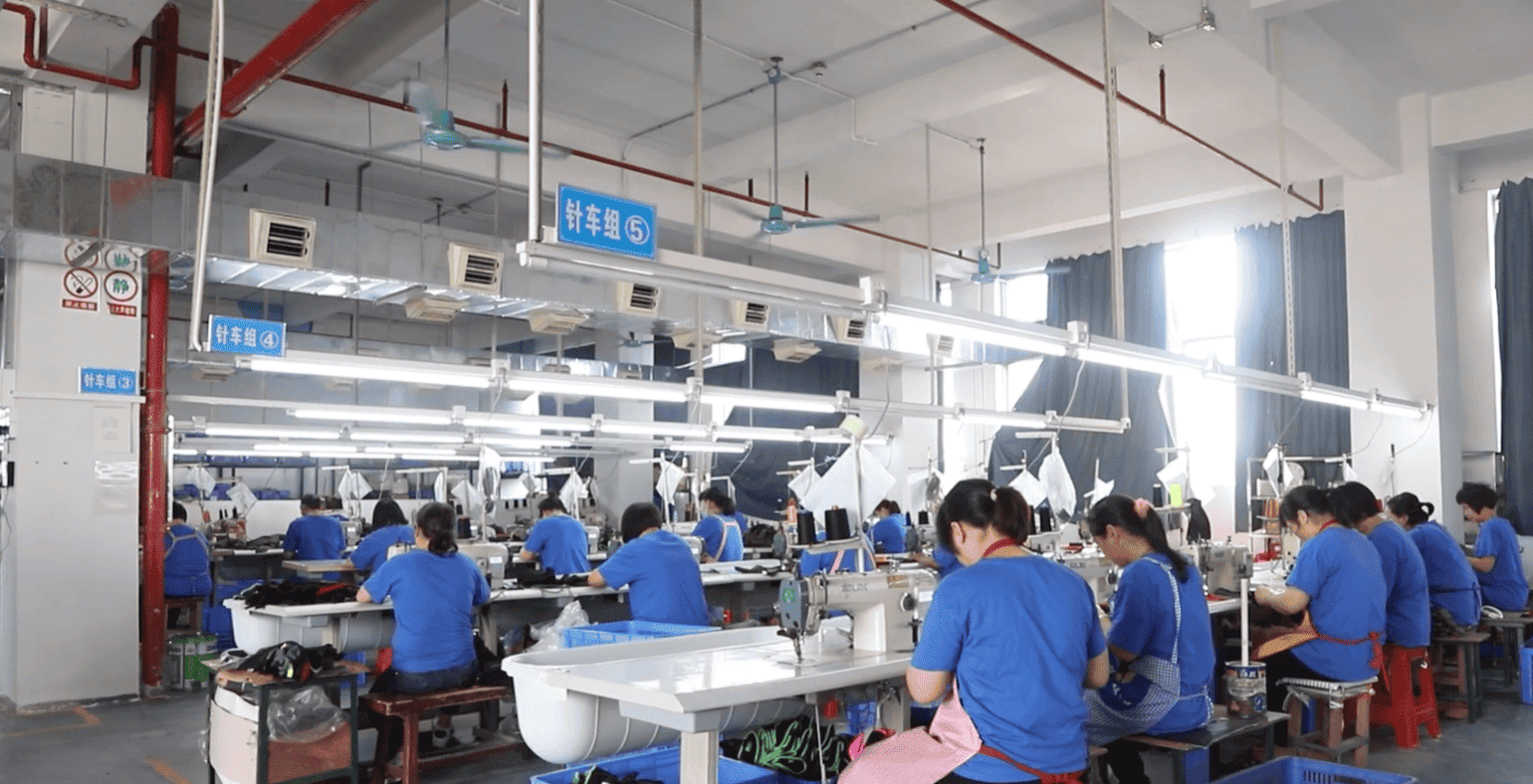
Even the best yarn will fail if the stitching is weak. Seams are the most stressed parts of any work glove, so stitching design and quality directly impact longevity.
1. Stitching Thread Material
Heavy-duty gloves require strong, abrasion-resistant thread:
- Polyester sewing thread: Most widely used for durability and colorfastness.
- Nylon thread: High flexibility and shock absorption.
- Aramid thread: Used for cut-resistant and high-temperature gloves.
Weak cotton thread frays and breaks easily, causing seams to split.
2. Stitch Density (Stitches per Inch)
Higher stitch density creates stronger seams:
- 7–9 stitches per inch: Standard for durable work gloves
- Denser stitching distributes tension and prevents seam tearing
- Loose stitching (under 5 SPI) breaks under heavy strain
3. Reinforced Stitching at High-Wear Areas
Long-lasting industrial gloves include reinforced stitching in high-stress zones:
- Palm area
- Finger seams
- Thumb base
- Wrist closure
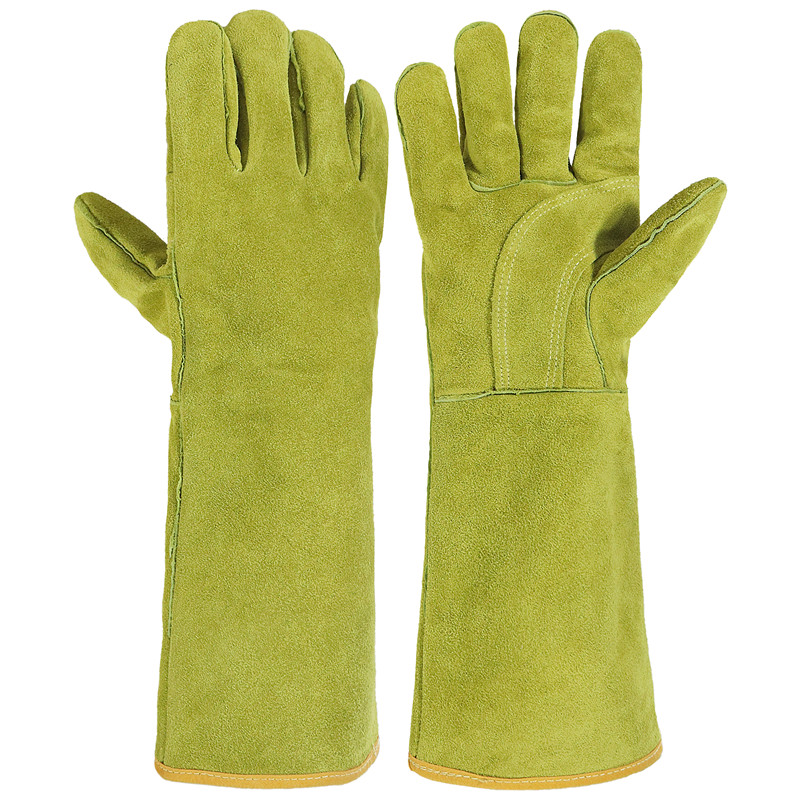
Reinforced lock stitching or double stitching prevents tears from spreading.
4. Seam Construction Technique
- Lock stitching: Prevents unraveling, the most durable for work gloves.
- Flatlock stitching: Reduces bulk and increases comfort without losing strength.
- Double stitching: Doubles seam durability for heavy-duty use.
Poor stitching that gaps, loops, or tangles leads to immediate failure.
The Best Yarn & Stitching Combinations for Maximum Longevity
| Glove Type | Recommended Yarn | Recommended Stitching | Expected Lifespan Improvement |
|---|---|---|---|
| Heavy-duty mechanical gloves | High-tenacity polyester | Double lock stitching, reinforced palm | 200–300% |
| Assembly & precision gloves | Nylon-polyester blend | Medium-density lock stitching | 150% |
| Construction & warehouse gloves | Thick polyester yarn | Reinforced finger & thumb seams | 250% |
| Cut-resistant gloves | UHMWPE / Aramid | High-strength aramid thread | 300%+ |
Why Cheap Yarn & Bad Stitching Shorten Glove Life
Low-cost gloves often use:
- Thin, weak recycled yarn
- Loose, single-thread stitching
- No reinforcement at stress points
- Low-quality thread that frays easily
These gloves may seem inexpensive upfront, but they need constant replacement, raising long-term costs and reducing worker safety.
Conclusion
Yarn and stitching are not just production details – they are the backbone of work glove longevity.
High-tenacity, uniform yarn creates a strong, wear-resistant base, while dense, reinforced lock stitching ensures seams hold up under heavy industrial use. Together, they drastically reduce tearing, fraying, and early failure.
For industrial buyers, choosing gloves with premium yarn and professional stitching means:
- Fewer glove replacements
- Lower long-term costs
- Better worker safety and comfort
- More reliable performance in harsh working conditions
If you want work gloves that last shift after shift, always check the yarn quality and stitching construction before making a purchase.