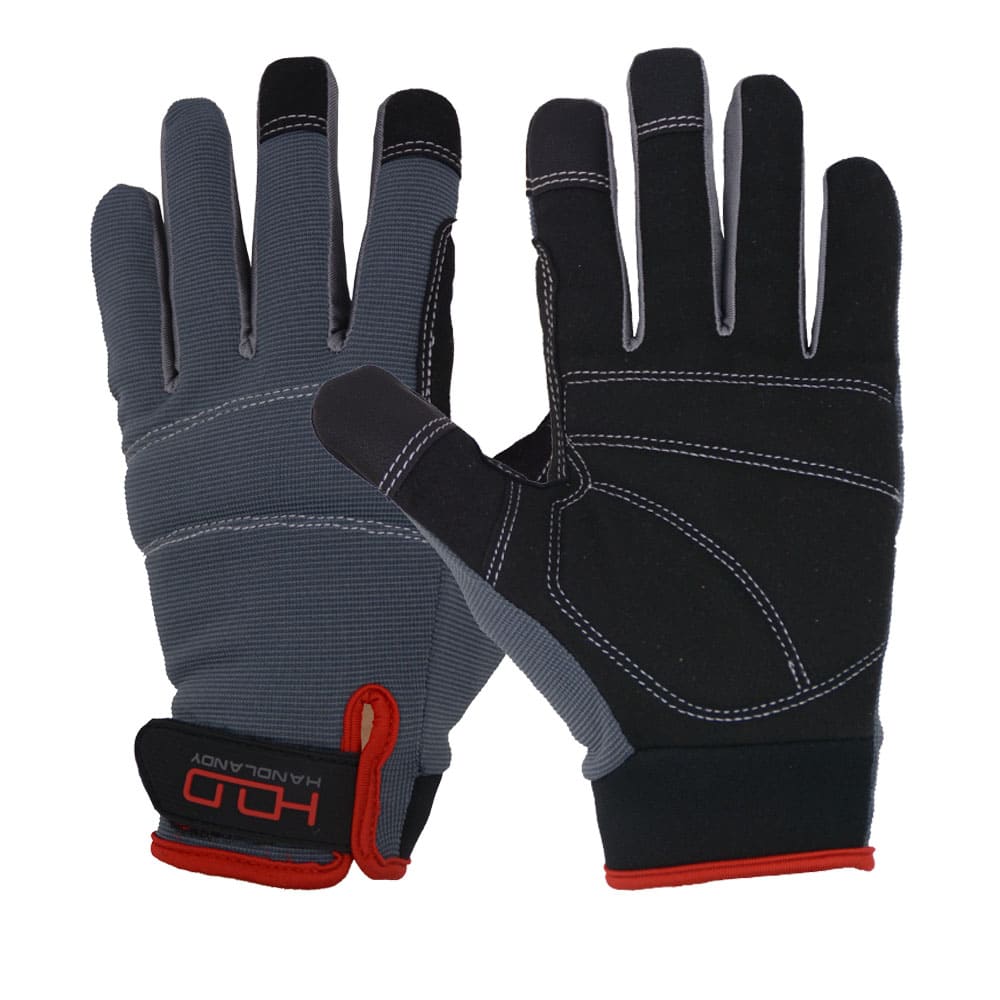

Knitting density—measured as stitches per inch (SPI) or stitches per centimeter (SPC)—is a critical but often overlooked factor in work glove performance. It refers to the number of stitches in the knitted substrate (the base layer of gloves before coating or lining), and it directly impacts two key user priorities: comfort (flexibility, breathability, fit) and durability (abrasion resistance, tear strength). For industrial workers, this means the right knitting density can mean the difference between gloves that feel like a second skin (and last for weeks) versus gloves that are stiff, sweaty, or tear after a single shift. This article explains how knitting density works, its effects on comfort and durability, and how to choose the right SPI for your industrial tasks (e.g., mechanical repair, construction, winter outdoor work). We’ll also share real-world test data and production insights to help you make informed purchasing decisions.
1. What Is Knitting Density & How Is It Measured?
Knitting density is determined by the number of loops (stitches) a knitting machine creates per unit of length. For work gloves, the standard measurement is stitches per inch (SPI), with most industrial gloves ranging from 8 SPI (loose knit) to 12 SPI (tight knit).
Key Production Context
- Knitting Machines: Industrial glove knitting machines use needles arranged in a cylinder—more needles per inch create a tighter knit (higher SPI), while fewer needles create a looser knit (lower SPI).
- Yarn Thickness: Yarn weight also impacts density—thicker yarns (e.g., 10s/2 cotton) paired with 8 SPI create a bulky, durable substrate, while thinner yarns (e.g., 20s/2 polyester) with 12 SPI create a lightweight, flexible base.
- Substrate Materials: Knitting density works differently with synthetic fibers (polyester, nylon) versus natural fibers (cotton, wool). Synthetic fibers hold stitches more tightly, so a 10 SPI synthetic substrate feels tighter than a 10 SPI cotton substrate.
Measurement Method
QC teams use a knitting density gauge to count stitches along a 1-inch section of the glove palm (the highest-wear area). For consistency, measurements are taken from 3 different spots on each glove and averaged.
2. How Knitting Density Impacts Work Glove Comfort
Comfort directly affects worker compliance—uncomfortable gloves are often removed, putting workers at risk. Knitting density influences comfort through three key factors: flexibility, breathability, and fit.
Flexibility (Dexterity)
- Low Density (8–9 SPI): Loose knit has larger gaps between stitches, allowing the substrate to stretch and bend easily. Workers can grip small tools, tighten bolts, or handle precision parts without restriction. Test data: 8 SPI gloves scored 9/10 for dexterity in our mechanical assembly task (tightening 8mm bolts), compared to 6/10 for 12 SPI gloves.
- High Density (11–12 SPI): Tight knit has smaller, denser stitches, which restricts movement. These gloves feel stiff, especially in the fingers, making fine motor tasks (e.g., electrical work, small-part assembly) difficult.
- Medium Density (10 SPI): The sweet spot—balances flexibility (8/10 dexterity score) with structure, ideal for general industrial use.
Breathability
- Low Density (8–9 SPI): Larger stitch gaps allow air flow, reducing sweat buildup during long shifts. Our test: Workers wearing 8 SPI cotton-polyester gloves had 30% less hand sweat after 4 hours compared to 12 SPI gloves. This is critical for warm workshops or summer outdoor work.
- High Density (11–12 SPI): Dense stitches trap air, leading to sweat and discomfort. However, this can be an advantage for winter gloves—trapped air acts as insulation, enhancing warmth.
- Medium Density (10 SPI): Moderate breathability—works for year-round, indoor industrial tasks.
Fit
- Low Density (8–9 SPI): Loose knit stretches to fit most hand sizes, reducing tightness around the palms and fingers. Ideal for teams with varied hand shapes (e.g., construction crews).
- High Density (11–12 SPI): Tight knit has less stretch, so it requires more precise sizing. A poor fit (too tight) can restrict blood flow, while too loose can cause slippage.
- Medium Density (10 SPI): Snug but flexible fit—accommodates most hand sizes without slippage or tightness.
3. How Knitting Density Impacts Work Glove Durability
Durability directly affects total cost of ownership—gloves with low durability need frequent replacement, increasing expenses. Knitting density influences durability through abrasion resistance, tear strength, and coating adhesion (for coated gloves).
Abrasion Resistance
- High Density (11–12 SPI): Dense stitches create a thicker, more compact substrate that resists wear. Test data: 12 SPI polyester gloves withstood 5200 abrasion cycles (ASTM D3883), compared to 3800 cycles for 8 SPI gloves. Ideal for heavy-duty tasks like mechanical repair, construction, and metal handling.
- Low Density (8–9 SPI): Loose stitches wear down faster—gaps between stitches allow abrasive materials (e.g., sand, metal shavings) to penetrate, weakening the substrate. Best for light-duty tasks (e.g., warehouse packing, light assembly).
- Medium Density (10 SPI): Balanced abrasion resistance (4500 cycles)—suitable for medium-duty industrial work (e.g., general maintenance, tool operation).
Tear Strength
- High Density (11–12 SPI): Dense stitches distribute force evenly, making the substrate resistant to tearing. Our test: 12 SPI gloves required 28N of force to tear (ASTM D412), versus 18N for 8 SPI gloves. Critical for tasks involving sharp edges (e.g., cutting, metal fabrication).
- Low Density (8–9 SPI): Loose stitches pull apart easily—tears can spread quickly across the substrate. Avoid for high-risk tasks.
- Medium Density (10 SPI): Moderate tear strength (23N)—works for tasks with minimal sharp hazards (e.g., material handling, cleaning).
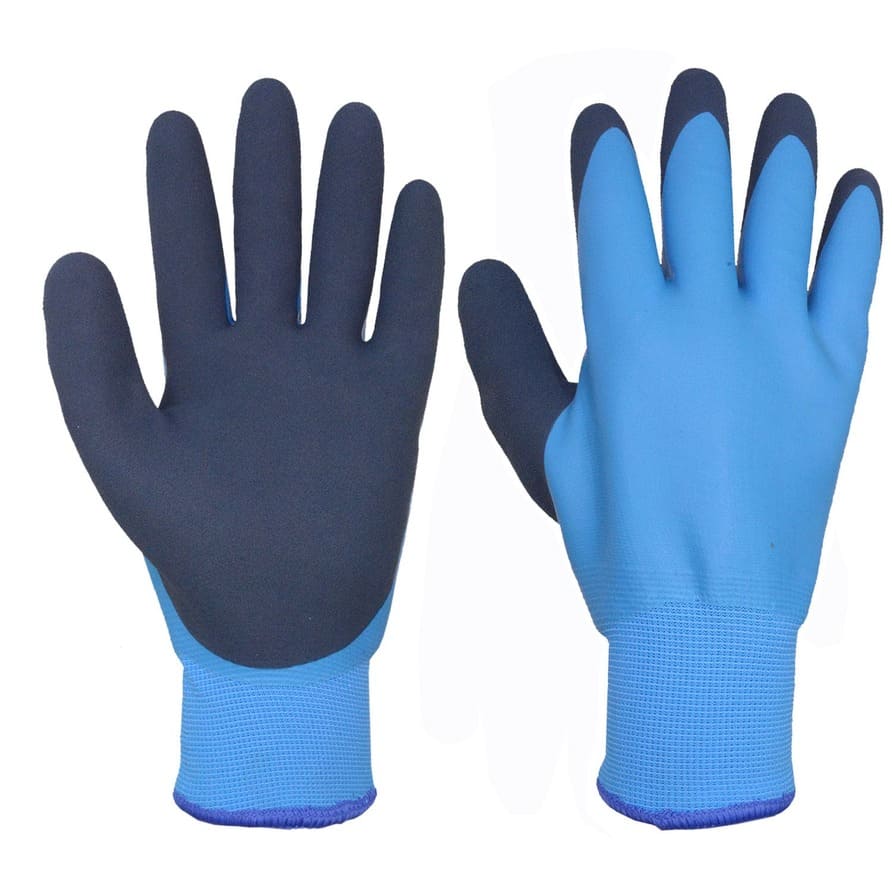
Coating Adhesion (for Nitrile/Latex/PU Coated Gloves)
- High Density (11–12 SPI): Dense stitches provide more surface area for the coating to bond, reducing peeling. Test data: 12 SPI nitrile-coated gloves retained 90% of their coating after 500 flex cycles, compared to 70% for 8 SPI gloves.
- Low Density (8–9 SPI): Loose stitches have less surface area—coating is more likely to peel or crack, especially in high-wear areas (palms, fingers).
- Medium Density (10 SPI): Good coating adhesion (85% retention)—the most popular choice for coated industrial gloves.
4. How to Choose the Right Knitting Density for Your Tasks
Use this quick guide to match knitting density to your industrial needs:
表格
| Task Type | Recommended SPI | Key Benefit |
|---|---|---|
| Precision mechanical assembly, electrical work | 8–9 SPI | Maximum dexterity and breathability |
| General industrial maintenance, tool operation | 10 SPI | Balanced comfort and durability |
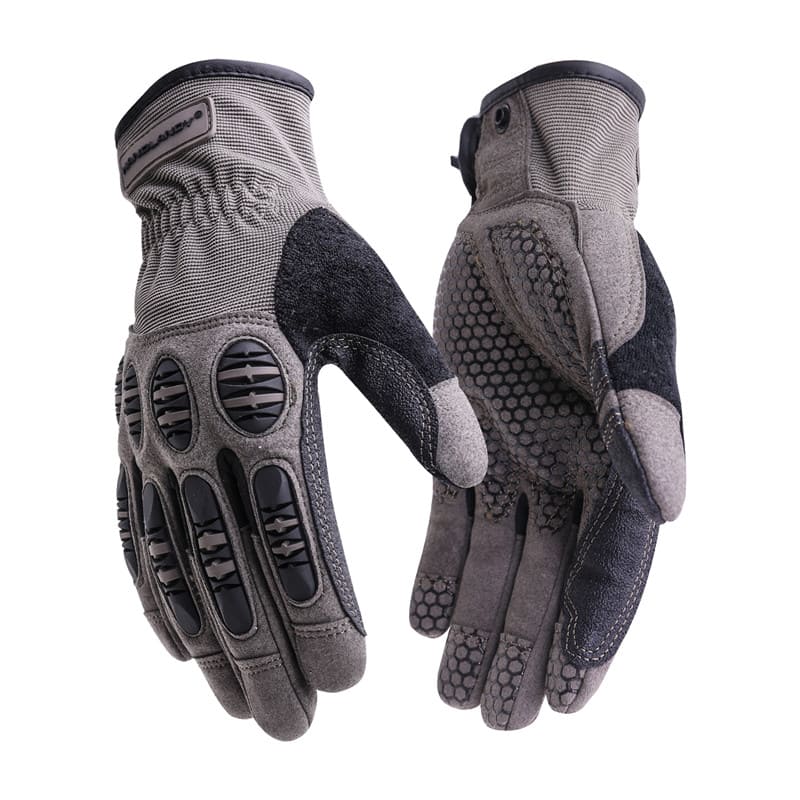
| Heavy mechanical repair, construction, metal handling | 11–12 SPI | High abrasion/tear resistance |
| Winter outdoor work | 11–12 SPI | Insulation (traps warm air) |
| Warm-weather outdoor work | 8–9 SPI | Breathability (reduces sweat) |
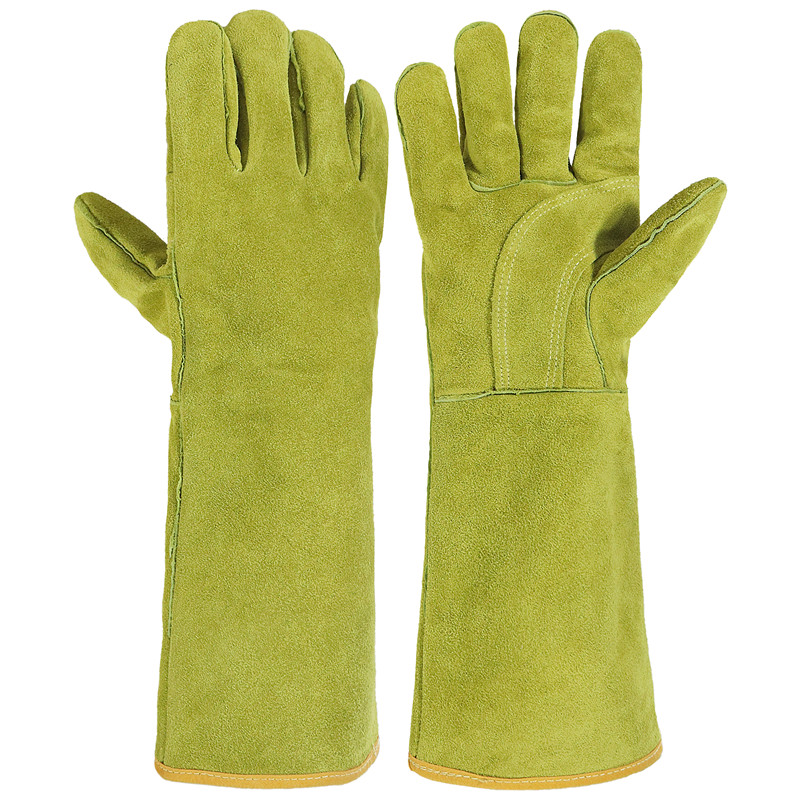
Pro Tip: For coated gloves (e.g., nitrile), pair higher SPI (10–12) with thinner coatings (0.3mm) for durability without sacrificing flexibility. For uncoated leather gloves, the substrate’s knitting density works with the leather’s thickness—10 SPI is ideal for most leather work gloves.
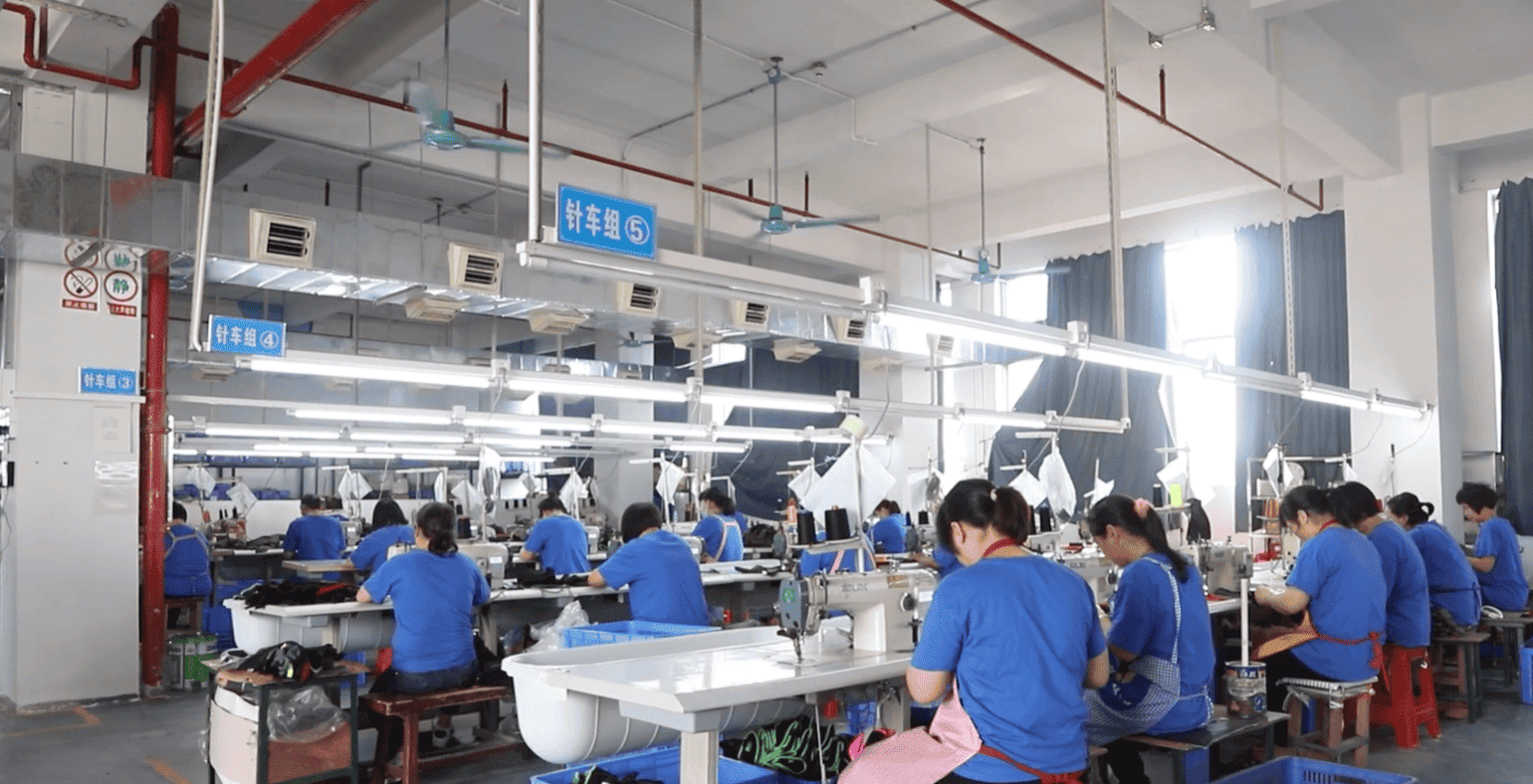
5. Production Insights: Controlling Knitting Density
For manufacturers (or buyers evaluating suppliers), consistent knitting density is key to quality. Here’s how it’s controlled:
- Machine Calibration: Knitting machines are calibrated weekly to ensure consistent needle spacing and yarn tension—even a 0.5 SPI variation can impact performance.
- Yarn Selection: Matching yarn thickness to SPI—thicker yarns with high SPI create overly stiff gloves, while thinner yarns with low SPI create fragile gloves.
- QC Checks: Random samples are tested for SPI at the start and end of each production run—batches with SPI outside the target range (±0.3 SPI) are rejected.
Conclusion
Knitting density is a defining factor in work glove comfort and durability—choosing the right SPI (8–12) ensures gloves perform for your specific industrial tasks. Low density (8–9 SPI) prioritizes dexterity and breathability for precision work, high density (11–12 SPI) delivers durability for heavy-duty tasks, and medium density (10 SPI) balances both for general use. At [Your Brand], our industrial gloves are engineered with task-specific knitting densities: 8 SPI for precision mechanical gloves, 10 SPI for general work gloves, and 12 SPI for heavy-duty construction and mechanical gloves. All our knitted substrates undergo strict QC to ensure consistent density and performance. Whether you need comfortable gloves for long shifts or durable gloves for rough use, our range has you covered. Contact our team to learn more about our knitting processes or find the right SPI for your team’s needs.