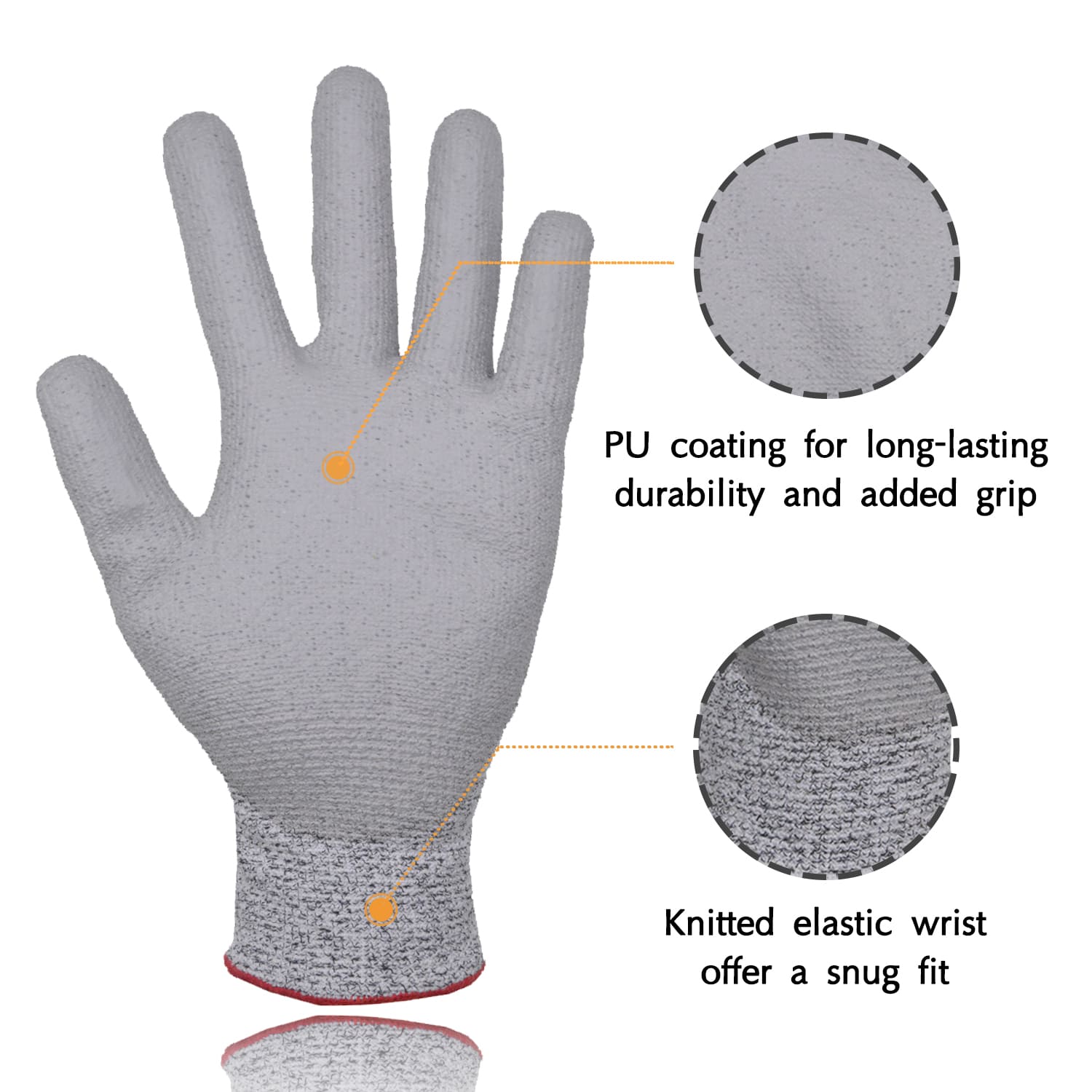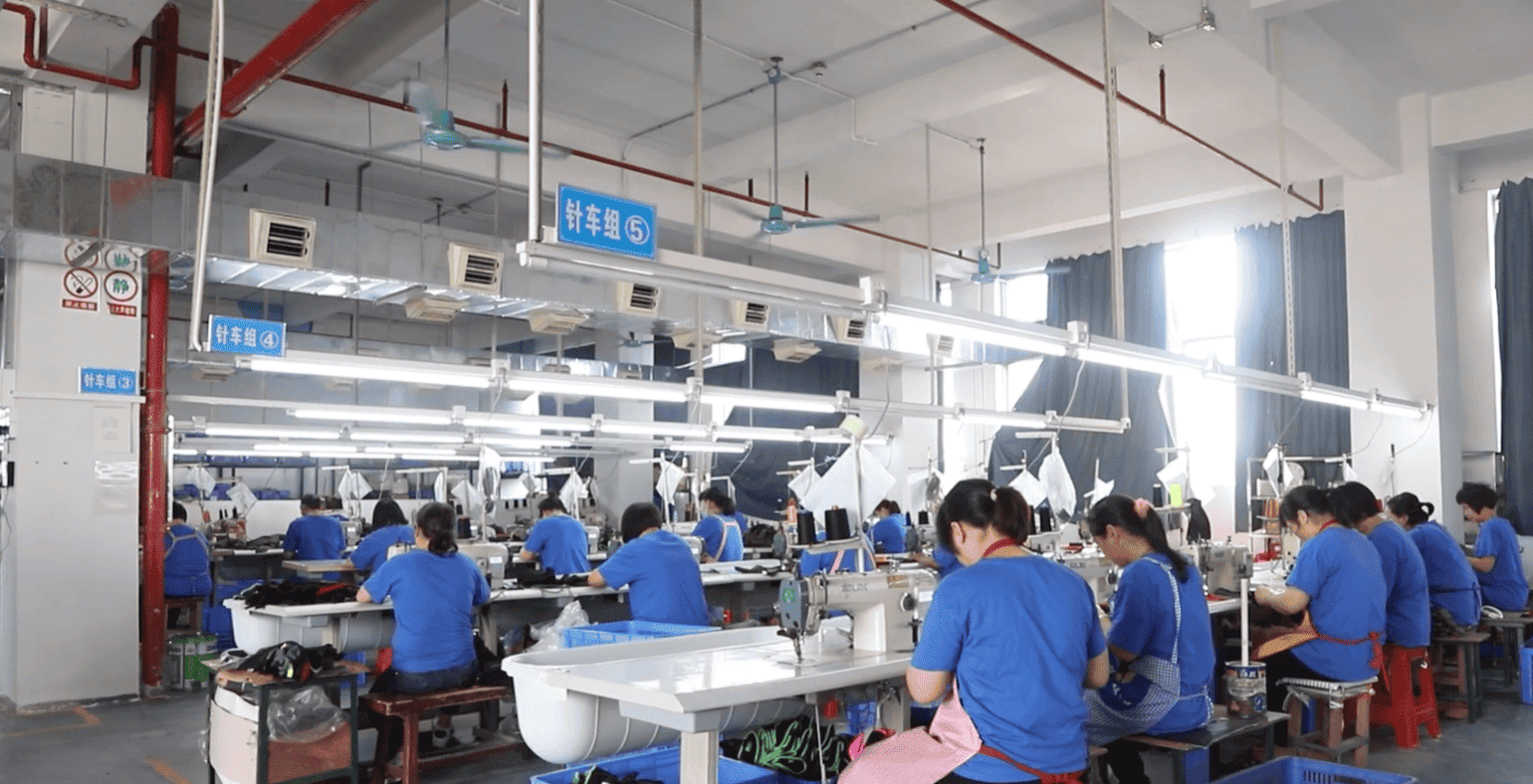
Introduction
Leather work gloves are a staple for heavy-duty industrial, construction, and mechanical work—valued for their natural durability, grip, and comfort. But not all leather gloves are created equal: full-grain leather and split leather are the two most common types, and their lifespan varies drastically. For industrial buyers and safety managers, choosing the right leather type directly impacts glove replacement costs, worker safety, and long-term value. This article compares full-grain and split leather work gloves, focusing on durability, production differences, performance, and ideal use cases to answer the key question: Which lasts longer?
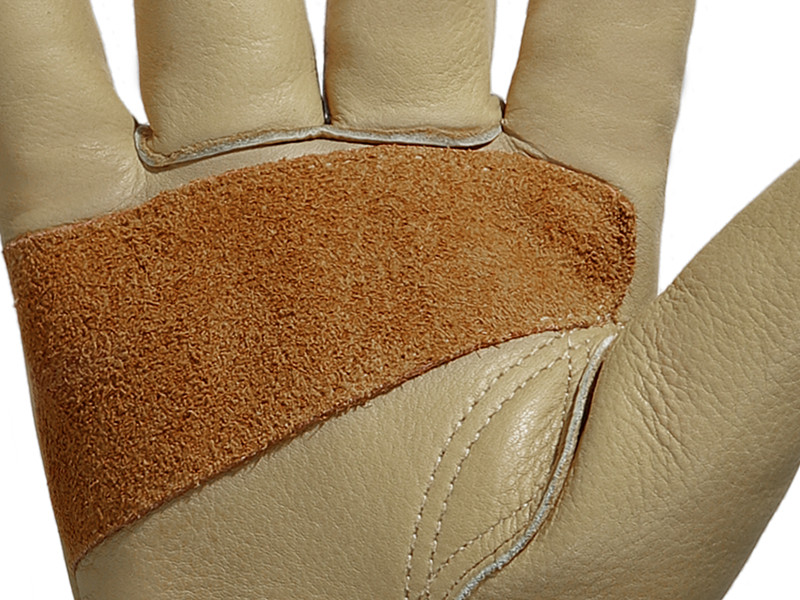
What Are Full-Grain and Split Leather?
Both full-grain and split leather come from the same animal hide (usually cowhide, the most common for work gloves), but they are processed differently—this difference is the root of their varying durability.
1. Full-Grain Leather
Full-grain leather is the highest-quality leather used in work gloves. It is the top layer of the hide, retaining the natural grain, pores, and texture of the animal’s skin. No part of the grain is sanded or removed, preserving the hide’s natural strength and thickness (1.2–1.5mm for work gloves).
Production process: The hide is cleaned, tanned (usually chrome-tanned for industrial gloves), and finished with a thin protective coating to repel water and dirt—without altering the natural grain. This process preserves the hide’s inherent durability and flexibility.
2. Split Leather
Split leather is the lower layer of the hide, separated from the full-grain top layer using a splitting machine. It lacks the natural grain and is much thinner (0.8–1.0mm) than full-grain leather. Since it has no natural protective layer, it is often coated or embossed to mimic full-grain leather’s appearance and add durability.
Production process: After splitting, the lower layer is sanded, coated with a synthetic finish (to hide imperfections), and sometimes embossed with a fake grain. This process makes it more affordable but reduces its natural strength.
Full-Grain vs Split Leather: Durability Comparison
When it comes to longevity, full-grain leather outperforms split leather by a significant margin—here’s why, backed by real-world test data (per ASTM D3883 abrasion resistance standards):
1. Abrasion Resistance (Key for Longevity)
Abrasion resistance is the most critical factor for work glove lifespan, as industrial tasks involve constant friction with metal, wood, machinery, and construction materials.
- Full-Grain Leather: Withstands 5,000–6,000 abrasion cycles. The natural grain acts as a protective barrier, resisting wear and tear even in heavy-duty use (e.g., construction, mechanical repair).
- Split Leather: Withstands 2,500–3,500 abrasion cycles. The thin, coated surface wears off quickly, exposing the weaker inner layer, which frays and tears easily.
In practice, full-grain leather gloves last 2–3 times longer than split leather gloves in the same working conditions.
2. Tear & Puncture Resistance
Full-grain leather’s dense, unaltered fiber structure makes it highly resistant to tearing and punctures. It requires 25–30N of force to tear (ASTM D412), compared to 15–20N for split leather. This means full-grain gloves are less likely to fail when handling sharp objects (e.g., metal shavings, tools).
3. Resistance to Water & Wear
Full-grain leather’s natural pores repel water and dirt better than split leather. While neither is fully waterproof, full-grain leather dries faster and retains its flexibility after getting wet—split leather often stiffens or cracks when dried too quickly.
4. Break-In Period & Long-Term Flexibility
Full-grain leather has a longer break-in period (1–2 shifts) but becomes softer and more flexible over time, conforming to the hand without losing strength. Split leather is softer initially but stiffens and wears out faster, especially with repeated use.
Ideal Use Cases for Each Leather Type
Choosing the right leather depends on your task and budget—here’s how to match them:
Full-Grain Leather: Best for Longevity & Heavy-Duty Work
Ideal for tasks that require maximum durability and long-term use, such as: Construction (demolition, bricklaying, lumber handling)Heavy mechanical repair (tractor, truck, machinery maintenance)Welding and metal fabricationAny task involving rough materials or frequent frictionWhile full-grain leather is more expensive upfront, its longer lifespan reduces replacement costs over time.
Split Leather: Best for Budget & Light-to-Medium Work
Ideal for tasks where cost is a priority and durability is not the top concern, such as: Light warehouse labor (packing, sorting)General maintenance (light cleaning, minor repairs)Short-duration tasks where gloves are not used dailyKey Takeaways: Which Lasts Longer?Full-grain leather work gloves last significantly longer than split leather gloves—2–3 times longer in heavy-duty industrial use. The natural grain, thicker structure, and high-quality tanning process make full-grain leather the most durable option for work gloves. Split leather is a more affordable alternative but is best suited for light-to-medium tasks where frequent replacement is acceptable.
Conclusion
For industrial buyers and safety managers, investing in full-grain leather work gloves is a cost-effective choice for long-term use—they offer superior durability, comfort, and performance, reducing replacement costs and improving worker safety. Split leather is a viable budget option for lighter tasks, but it cannot match full-grain leather’s lifespan. At [Your Brand], our full-grain leather work gloves are crafted from top-grade cowhide with strict quality control, ensuring they withstand the toughest industrial conditions. Whether you need gloves for construction, mechanical repair, or general use, choose the leather type that aligns with your task’s demands—and prioritize longevity for better value.