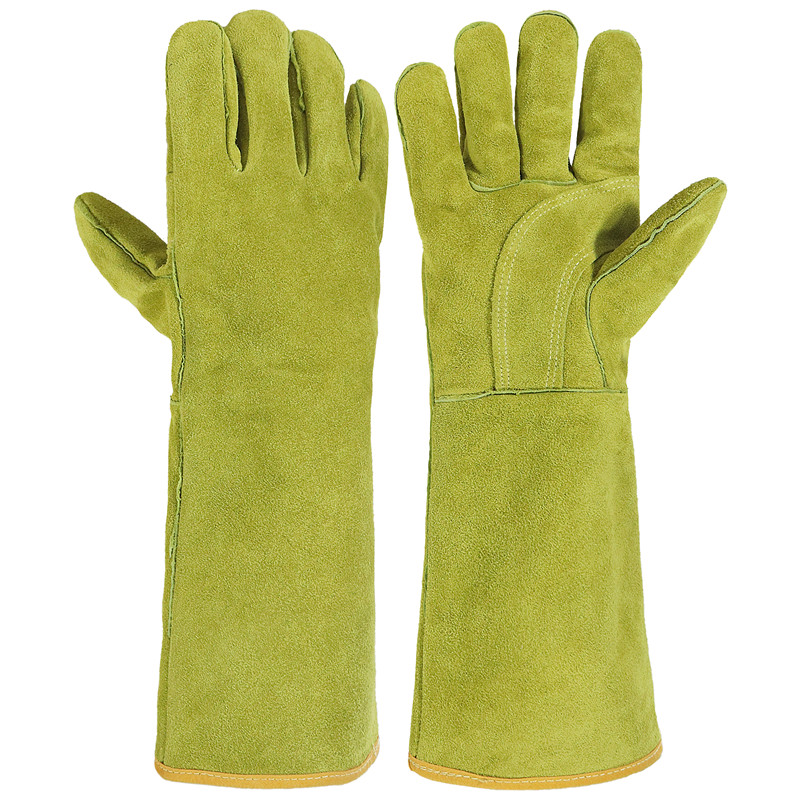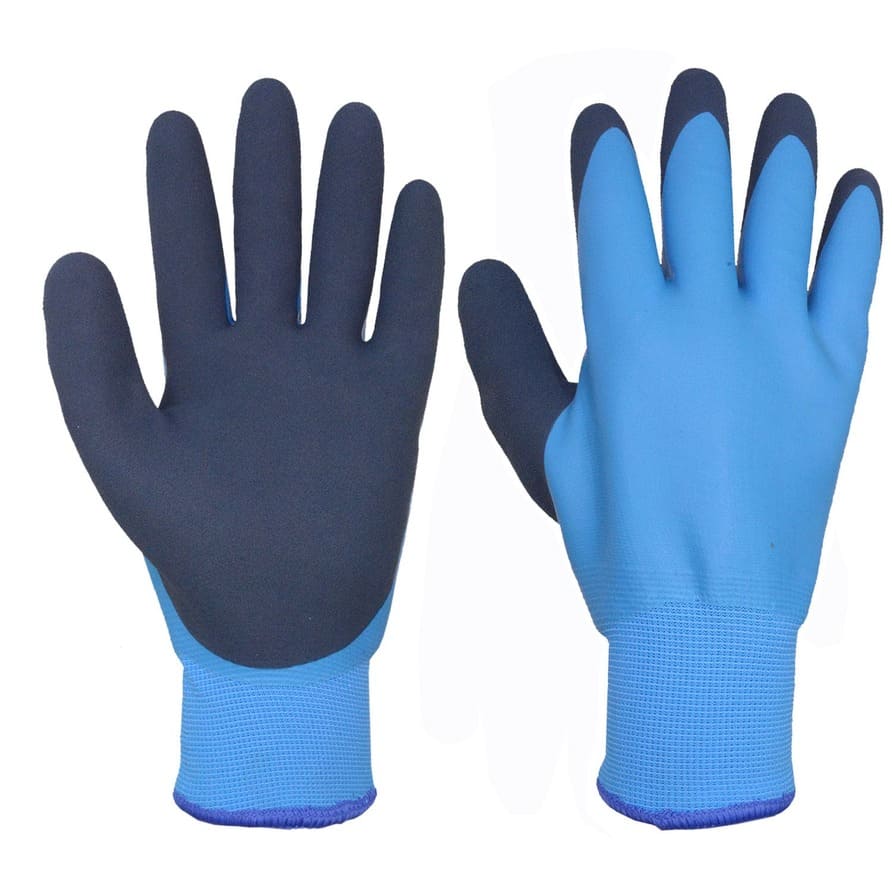
Dipped work gloves are essential for grip and protection, but their coating thickness—thin, medium, or heavy—is a crucial factor often overlooked. Choosing the wrong thickness can lead to reduced dexterity, quicker fatigue, or premature wear. This guide explains the characteristics of each type and maps them to the specific tasks they are engineered to perform, helping you optimize both safety and productivity.
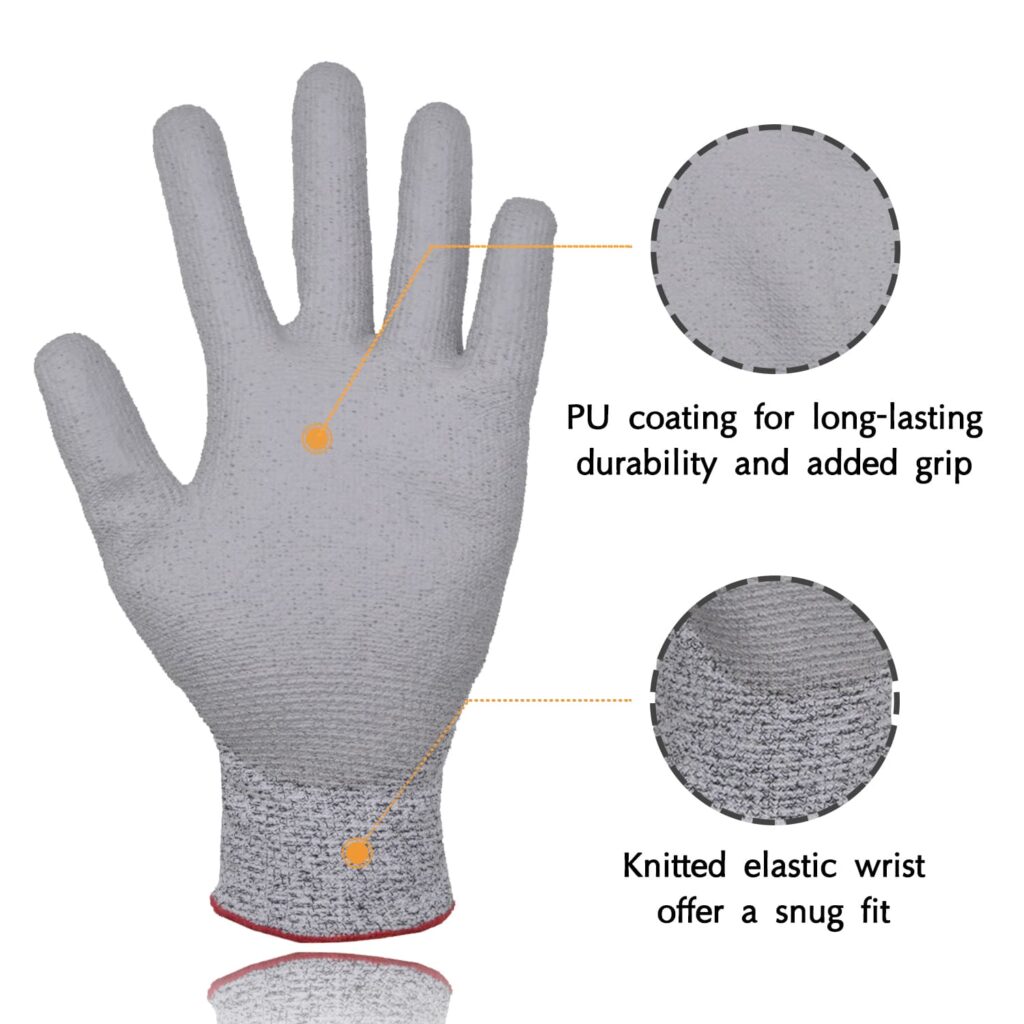
The coating thickness directly determines the glove’s balance between feel and durability. It is measured in gauges (a lower gauge number means a thicker coating) or simply in millimeters for palm coating.
| Coating Type | Thickness (Palm) | Key Characteristics | Ideal Work Scenarios |
|---|---|---|---|
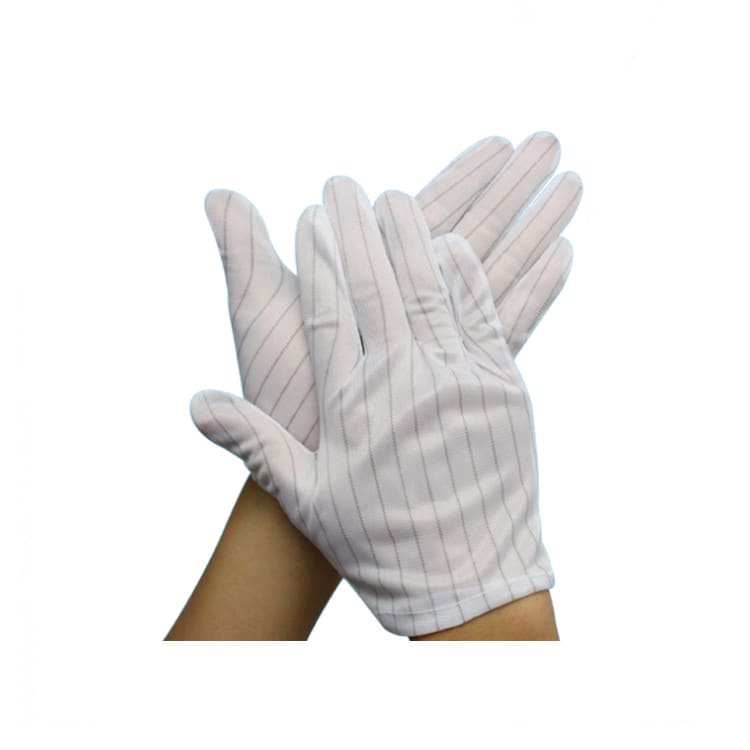
| Thin / Lightweight | ~0.1mm – 0.3mm | Maximum dexterity & tactile sensitivity. Excellent for dry and light-duty handling. Less durable against abrasion. | Assembly of small parts (electronics, screws), packaging, quality inspection, light material handling where “feel” is critical. |
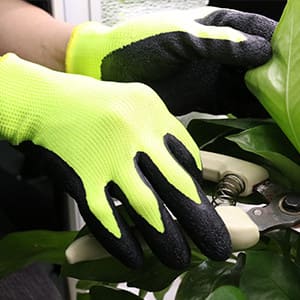
| Medium / General Duty | ~0.4mm – 0.6mm | The best all-around balance. Good grip, decent abrasion resistance, and acceptable dexterity. The most versatile option. | General warehouse work, logistics, non-sharp material handling, light assembly, automotive maintenance, and woodworking. |
| Heavy / Heavy Duty | ~0.7mm+ | Maximum durability, grip, and protection. Excellent for wet/oily environments and heavy, abrasive materials. Dexterity is reduced. | Construction, heavy lumber and metal handling, machining with sharp edges, loading/unloading rough materials, and demanding outdoor work. |
Material Matters:
The coating compound interacts with thickness:
- Nitrile: Excellent for oils and abrasion. A medium nitrile coating is a universal workhorse.
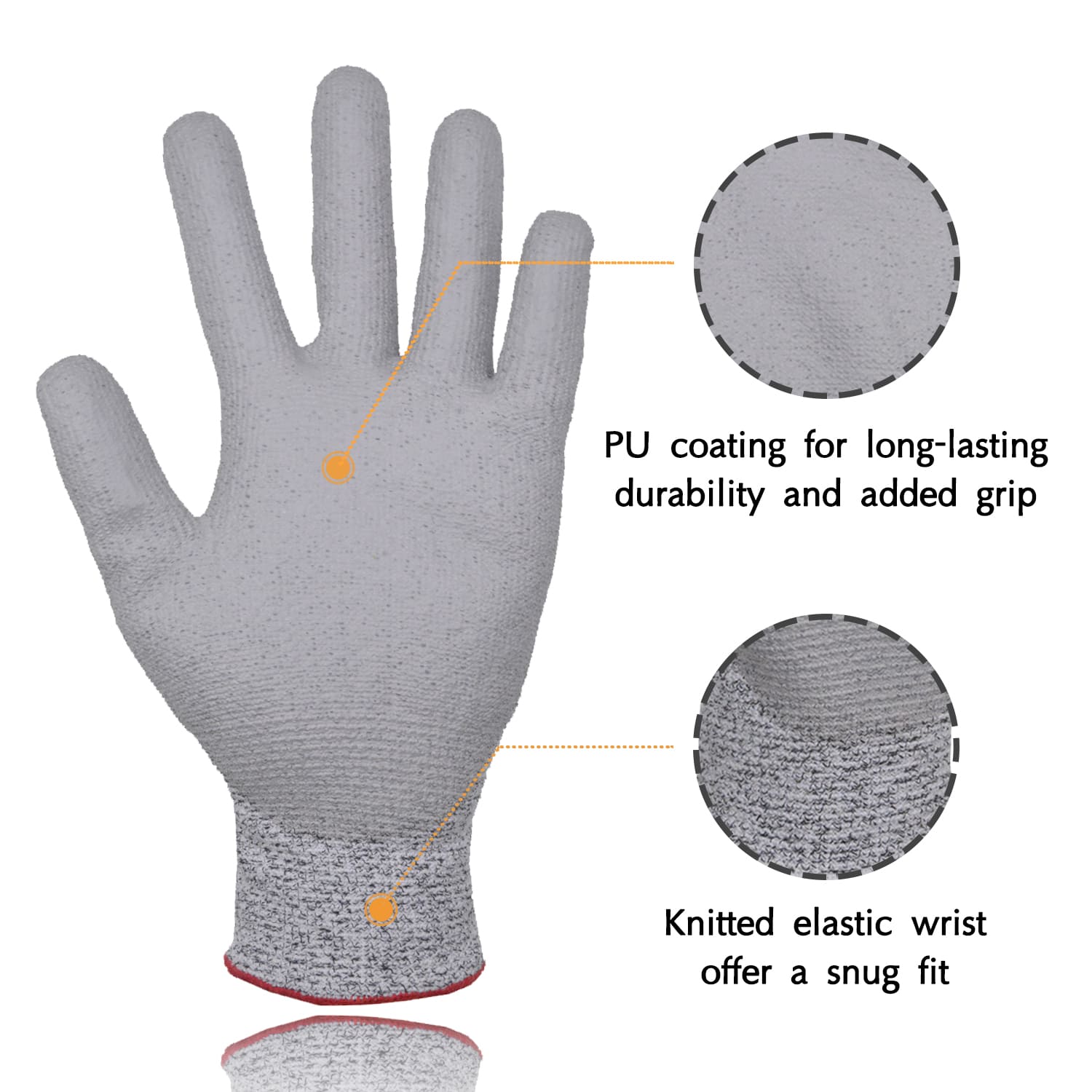
- Polyurethane (PU): Superior dry grip and abrasion resistance. Often used in thin coatings for high-dexterity tasks.
- Latex: Good all-around elasticity and comfort. Medium coatings offer reliable general-purpose use.
Making the Right Choice:
Ask these questions:
- What is my primary hazard? Is it abrasion (choose heavier), oil (choose nitrile), or need for precision (choose thinner)?
- How long is the glove used per task? For all-day wear, a medium coating often provides the best comfort-durability trade-off.
- Is the environment wet or dry? Heavy coatings provide better liquid barrier, while PU on thin/medium gloves offers fantastic dry grip.
Pro Tip: Don’t assume thicker is always better. A thin, high-quality PU-coated glove can outlast a thick, low-quality one in specific applications while offering far better dexterity. Match the tool to the job.
Conclusion:
Understanding coating thickness transforms your glove from a simple commodity into a precision tool. By selecting thin for precision, medium for versatility, and heavy for extreme durability, you ensure worker hands are not only protected but also able to perform their tasks efficiently and comfortably.