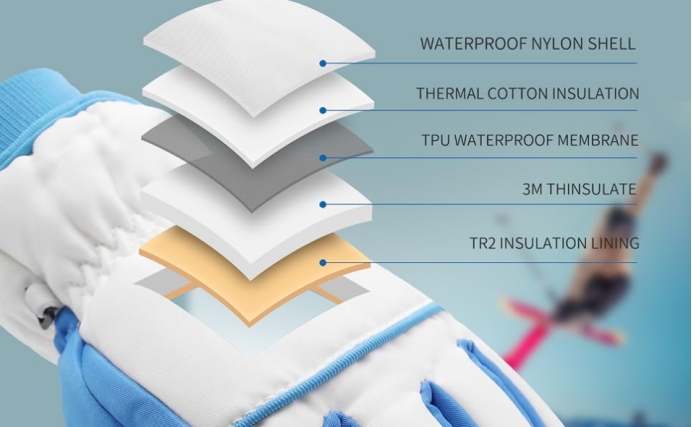
Selecting the right coated industrial glove material is critical for balancing worker safety, productivity, and operational costs in manufacturing, mechanical, and heavy-industry settings. Nitrile, latex, and polyurethane (PU) are the three dominant coating materials for work gloves, each engineered with distinct chemical compositions and dip coating processes that shape their performance. Whether you need gloves for chemical handling, precision mechanical assembly, or general warehouse work, understanding the tradeoffs between these materials is key to making an informed choice. This guide breaks down their core properties, production nuances, and ideal applications, backed by real-world industrial use case data.
1. Nitrile Coated Gloves: The Gold Standard for Durability & Chemical Resistance
Nitrile coated gloves are made from an acrylonitrile-butadiene copolymer, applied via a dip coating process that involves submerging knitted glove substrates (usually polyester or cotton) into nitrile,followed by curing at 120–140°C to form a tough, flexible barrier. This production method creates a coating that bonds tightly to the substrate, reducing peeling and extending glove lifespan.
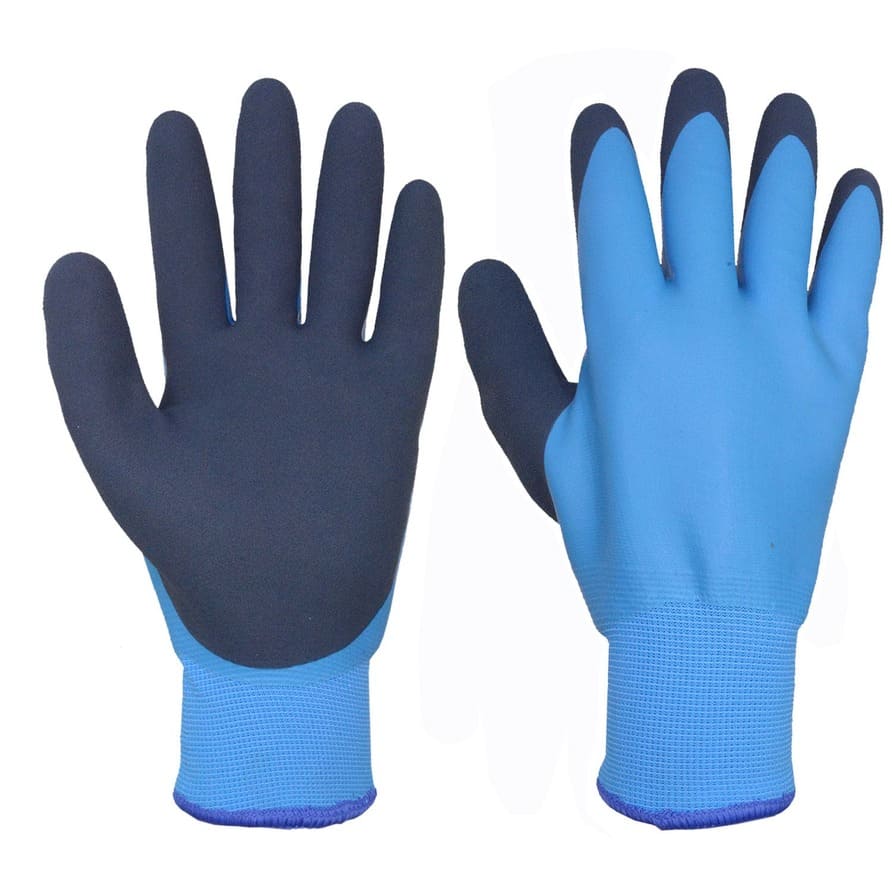
Key Performance Traits (Tested per ASTM D3883)
- Abrasion Resistance: Scored 4/5 (5000+ abrasion cycles) – outperforms latex and PU for high-wear tasks like mechanical part handling.
- Chemical Resistance: Excels against oils, solvents, and mild acids (e.g., cleaning chemicals in manufacturing plants) – a critical feature for workers in automotive and chemical processing.
- Allergy Safety: 100% latex-free, eliminating the risk of Type I allergic reactions (a major concern for 1–3% of industrial workers with latex sensitivity).
- Grip: Textured nitrile coatings (e.g., crinkle finish) provide strong wet/dry grip, ideal for handling slippery metal components.
Ideal Applications
Mechanical repair, automotive assembly, chemical handling, construction site material moving, and long-duration industrial shifts (thanks to their 2–3x longer lifespan than latex gloves).
2. Latex Coated Gloves: Budget-Friendly Elasticity for General Use
Latex gloves use natural rubber latex (NRL) as the core coating material, with a simpler dip coating process that requires lower curing temperatures (100–110°C) – making them more cost-effective to produce than nitrile. The natural elasticity of latex creates a snug, second-skin fit that many workers prefer for basic tasks.
Key Performance Traits
- Flexibility: Scored 5/5 – superior stretch (up to 800% elongation) allows for full range of motion in the fingers, useful for light mechanical work like tightening small bolts.
- Cost: The most affordable option (30–50% cheaper than nitrile) – ideal for high-turnover roles like general warehouse labor.
- Limitations: Poor resistance to oils and solvents (breaks down quickly in automotive settings) and high allergy risk. Additionally, latex coatings are prone to cracking in cold winter industrial environments.
Ideal Applications
General maintenance, light assembly line work, janitorial tasks in industrial facilities, and short-duration tasks where cost is a top priority (and latex allergies are not a concern).
3. PU Coated Gloves: Precision & Dexterity for Fine Mechanical Work
PU coated gloves use a polyurethane polymer coating, applied in a thin, uniform layer (0.1–0.3mm) via a precision dip coating process. The thin coating preserves the flexibility of the knitted substrate, making them the go-to choice for tasks that require finger dexterity.
Key Performance Traits
- Dexterity: Scored 5/5 – the thin PU layer lets workers feel small parts (e.g., electronic components, mechanical fasteners) without sacrificing protection.
- Breathability: The porous PU coating allows air flow, reducing sweat buildup during long shifts – a big plus for mechanical workers in warm workshops.
- Limitations: Low abrasion resistance (2000–3000 cycles) and minimal chemical protection (only resistant to water and mild detergents).
Ideal Applications
Precision mechanical assembly, electronic component handling, tool operation, and tasks where finger sensitivity is more important than heavy-duty wear resistance.
Nitrile vs Latex vs PU: Quick Comparison Table
表格
| Property | Nitrile Coated | Latex Coated | PU Coated |
|---|---|---|---|
| Abrasion Resistance | Excellent | Good | Fair |
| Chemical/Oil Resistance | Excellent | Poor | Poor |
| Dexterity | Good | Very Good | Excellent |
| Allergy Risk | None | High | None |
| Average Lifespan | 2–3 shifts | 1 shift | 1–2 shifts |
| Best For | Chemical/Mechanical | General Labor | Precision Work |
Final Selection Guide: How to Choose the Right Material
- Choose Nitrile if your team works with oils, solvents, or heavy machinery – it’s the most durable and safe option for high-risk industrial tasks.
- Choose Latex only for low-risk, short-duration tasks (e.g., light cleaning) where cost is the main factor and no workers have latex allergies.
- Choose PU for precision mechanical work (e.g., assembling small parts) where dexterity and breathability are non-negotiable.
Conclusion
The right coated industrial glove material depends on your specific work environment: nitrile for durability and chemical resistance, latex for budget-friendly elasticity, and PU for precision dexterity. By aligning material properties with task requirements, you can boost worker safety and productivity while reducing glove replacement costs. Explore our range of nitrile, latex, and PU coated mechanical gloves – all manufactured with strict quality control over the dip coating process – and contact our team for personalized recommendations based on your industrial needs.