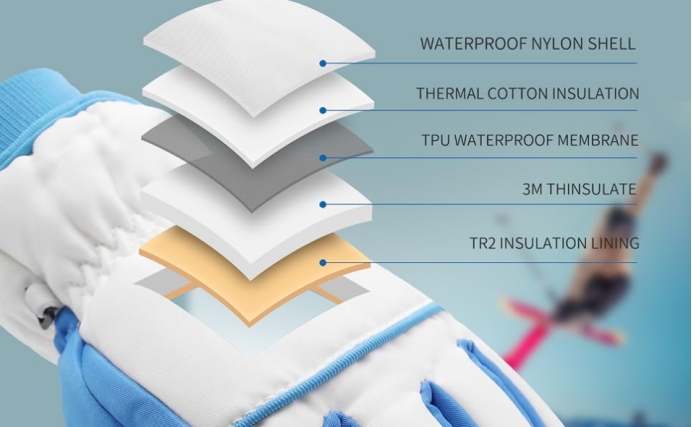
Working with open flames, molten metal splash, or high-temperature objects demands specialized hand protection. Modern heat-resistant gloves go far beyond simple leather, employing a sophisticated, multi-layer system of engineered materials. This article unveils the technology that provides a reliable “invisible shield,” balancing critical thermal protection with the dexterity needed to work safely and effectively.
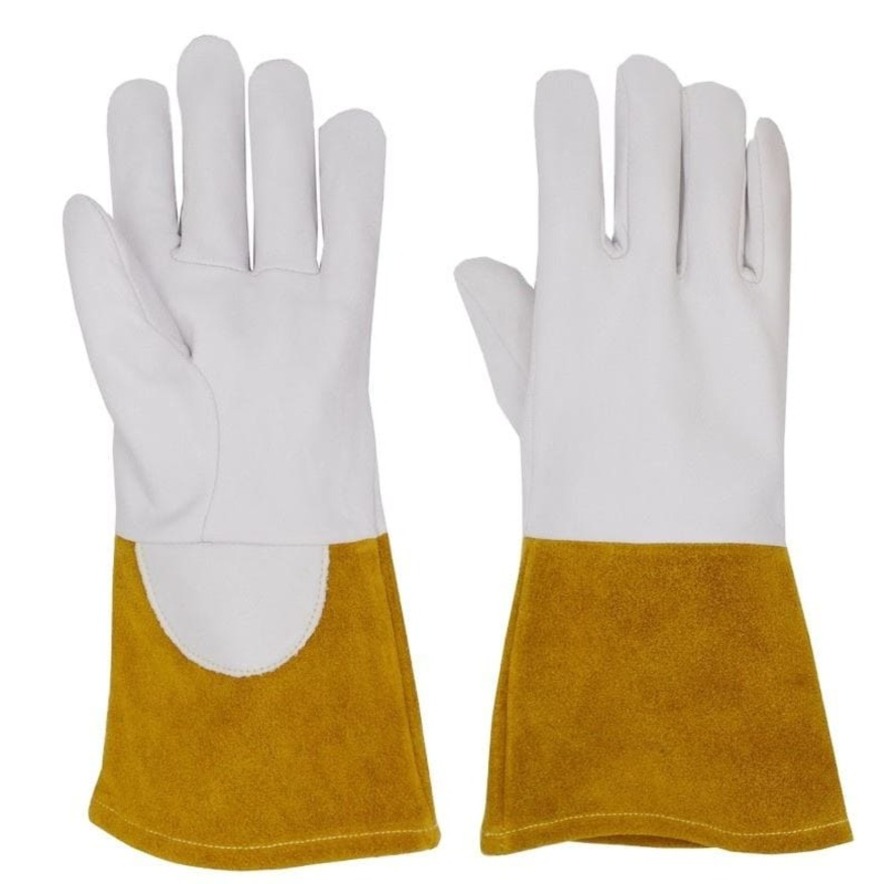
The Layered Defense System: More Than Just One Material
Advanced heat-resistant gloves are built like a tactical system, with each layer serving a distinct purpose.
- Outer Shell (The First Line of Defense):
This layer faces direct flame contact and abrasion. Materials include:- Aluminized Materials: Reflects up to 90% of radiant heat, ideal for furnace and foundry work.
- Heat-Treated Specialty Leather (e.g., Pittards® Wool Tanned): Treated to not harden, crack, or shrink when exposed to heat, maintaining flexibility.
- Inherently Flame-Resistant (FR) Fabrics: Like Aramid (Nomex®, Kevlar®) or Modacrylic/PBI blends, which char and self-extinguish instead of melting or burning.
- Moisture Barrier & Thermal Insulation Layer (The Critical Buffer):
Sandwiched between shells, this layer manages heat transfer and steam burns.- Needle-Punched Insulation: Non-woven felts made of Aramid (Nomex®) or Fiberglass trap still air, providing excellent thermal insulation.
- Phase Change Materials (PCMs): Advanced liners that absorb excess heat as they melt (at a specific temperature) and release it as they solidify, actively regulating microclimate temperature.
- Impermeable Moisture Barriers: Prevents hot liquid or steam penetration, a major cause of burns.
- Inner Liner (Comfort & Secondary Protection):
This layer wicks sweat and adds comfort. FR Cotton, Aramid Knits, or specially treated wool are common here.
The Dexterity Challenge: Engineering for Grip and Movement
The greatest innovation lies in making this protective system flexible.
- Ergonomic 3D Pattern Design: Gloves are pre-curved and patterned to reduce hand fatigue and allow a natural grip.
- Strategic Reinforcement: Heavy insulation is placed on the back of the hand (most exposed to radiant heat), while the palm uses thinner, flexible materials.
- Advanced FR Coatings: Flame-retardant Nitrile or Polyurethane (PU) foams are applied to palms and fingers. These coatings provide a secure, oil-resistant grip on hot, slippery tools and are far more flexible than a thick leather palm. Some incorporate silicone-based patterns for an even hotter grip.
Understanding the Hazards & Standards:
Different materials protect against different thermal hazards:
- Conductive Heat (Touching a hot object): Relies on insulation thickness and materials like leather/PU.
- Radiant Heat (Heat from a furnace): Best deflected by reflective aluminized surfaces.
- Flame Contact: Requires inherently FR outer shells like aramid that form a protective char.
- Molten Metal & Severe Spark Splash: Needs a dense, non-absorbent outer layer (like specific leathers) that allows molten metal to roll off.
Always match the glove to the hazard, guided by relevant standards like NFPA 2112 (for flash fire) or specific industry certifications.
Today’s premier heat-resistant gloves are a product of material science. They don’t rely on a single “magic” material but on a synergistic combination of an FR outer shell, a high-loft thermal/moisture barrier, and a flexible, grippy inner layer. This intelligent design creates a comprehensive shield that protects workers from severe burns while preserving the manual dexterity essential for performing complex, high-risk tasks safely.