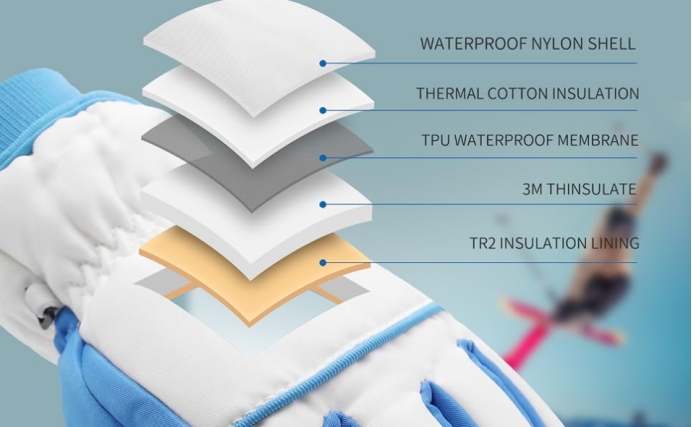
For procurement managers in construction, utilities, or logistics, specifying winter gloves has long involved a frustrating compromise: warmth vs. dexterity. Traditional bulky insulation traps heat but also traps sweat, leading to damp, cold hands and clumsy fingers. The result? Reduced productivity, safety risks, and unhappy workers.
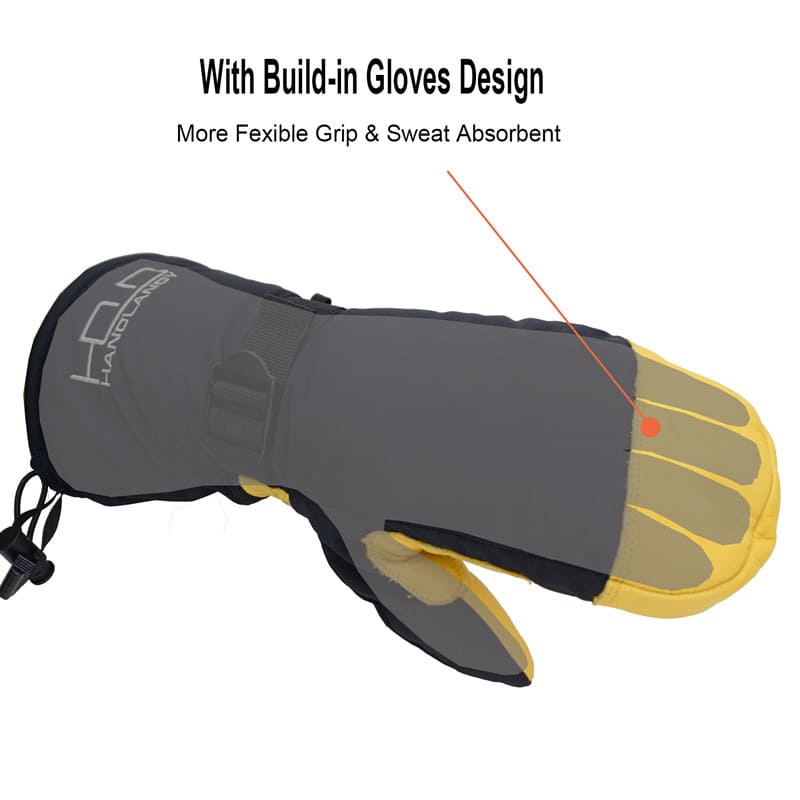
The solution lies in moving beyond the old idea of “loft” to understand modern high-performance insulation. These advanced fibers are engineered not just to trap heat, but to manage moisture and preserve critical hand movement.
The Core Challenge: Moisture is the Enemy of Warmth.
When a worker is active, their hands sweat. In a traditional glove, this moisture is absorbed by the insulation or liner, saturating it. Wet insulation loses over 90% of its thermal efficiency, and evaporation causes a chilling effect. This is why workers often say their hands are colder with gloves on after heavy work.
How Advanced Insulation Works: The Science of Dry Warmth.
Materials like 3M™ Thinsulate™, Primaloft®, or other premium synthetic insulators address this through micro-engineering:
- Microfibers, Not Bulk: These insulators use fibers far finer than a human hair. A single ounce contains miles of fiber, creating more surface area to trap still, warm air with much less thickness. This directly translates to less bulk and more finger mobility.
- Hydrophobic Design: The fibers are inherently water-repellent. Instead of absorbing sweat, they wick moisture away from the skin towards the outer layers of the glove where it can evaporate. The insulation itself stays dry and retains its heat-trapping ability.
- Continuous Performance: Even when compressed (like when gripping a tool), these microfiber structures recover quickly and maintain a consistent thermal barrier, unlike some natural insulations that can flatten and fail.
The B2B Impact: From Comfort to Key Performance Indicators.
For your business, specifying gloves with this technology isn’t about luxury—it’s about operational performance.
- Increased Productivity: Workers with warm, dry, and agile hands can operate tools more effectively, make fewer errors, and require fewer breaks to warm up. Tasks take less time.
- Enhanced Safety: Proper dexterity means a secure grip on tools, ladders, and controls. Reduced “time to frostbite” in extreme conditions is a direct safety metric.
- Higher Compliance & Morale: Gloves that are genuinely comfortable and functional are more likely to be worn consistently, improving safety compliance. Investing in superior gear also signals care for employee well-being.
Your Specification Checklist:
When evaluating insulated work gloves, ask your supplier these questions:
- “What is the specific insulation type and its weight/grammage (e.g., 100g Thinsulate™)?”
- “Can you explain the moisture-wicking system? How does the liner work with the insulation?”
- “Do you have dexterity test data or subjective feedback from workers in similar industries?”
- “For the level of warmth claimed, how does the overall glove profile and flexibility compare to a traditional bulky alternative?”
Conclusion: Redefining the Winter Glove Spec.
In professional cold-weather operations, warmth without dexterity is a liability, and warmth that fails when wet is unreliable. Modern insulation technologies finally break this compromise. By specifying gloves built with these advanced fibers, you are not just purchasing PPE—you are investing in a tool that sustains workforce productivity, safety, and comfort through the toughest winter conditions.