As the temperature drops, the demand for cold weather hand protection spikes across industries. For procurement managers and distributors, choosing the right inventory is crucial. A common dilemma arises when selecting the insulation material: Thinsulate vs. Fleece.
While both materials offer warmth, they serve different purposes, price points, and working environments. Choosing the wrong lining can lead to bulky gloves that hinder worker productivity or gloves that aren’t warm enough for extreme conditions.
In this guide, we break down the pros and cons of each material to help you source the best wholesale winter work gloves for your market.
1. Understanding Thinsulate: Warmth Without Bulk
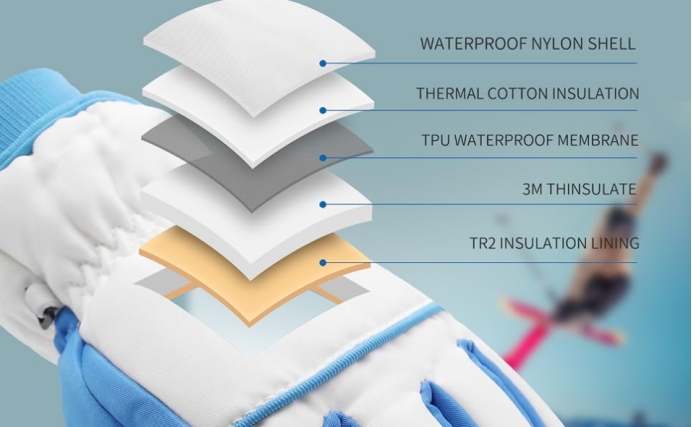
Developed by 3M, Thinsulate™ is considered the gold standard in thermal insulation. It is a synthetic fiber thermal insulation used in clothing and, crucially, in high-performance safety gloves.
The Pros:
- High Dexterity: Thinsulate is known for being thin. It traps air molecules between the body and the outside without requiring a thick layer of fabric. This makes it ideal for mechanic gloves where precision and finger sensitivity are required.
- Moisture Resistance: Unlike natural fibers, Thinsulate retains its insulating ability even when damp, a critical feature for outdoor construction or snow removal tasks.
- Premium Appeal: Carrying 3M Thinsulate lined gloves signals quality to your end-users, allowing for a higher retail markup.
Best For: Precision tasks, extreme cold environments, and premium product lines.
2. Understanding Fleece: The King of Comfort and Cost
Fleece is a synthetic insulating fabric typically made from polyester (PET). It mimics the qualities of wool but is much lighter and easier to maintain.
The Pros:
- Immediate Warmth & Comfort: Fleece has a soft, “fuzzy” feel that provides instant warmth upon contact with the skin. It is incredibly comfortable for long-term wear.
- Breathability: Fleece is highly breathable, preventing hands from getting sweaty during moderate physical activity.
- Cost-Effective: For businesses looking for budget-friendly industrial safety gloves, fleece is generally less expensive than branded Thinsulate. This makes it an excellent choice for high-volume orders or disposable-grade thermal gloves.
Best For: General labor, driving, logistics, and markets sensitive to price.
3. Thinsulate vs. Fleece: The B2B Comparison Table
To help you decide which bulk thermal gloves to order, here is a quick comparison:
| Feature | 3M Thinsulate™ | Polar/Micro Fleece |
| Warmth-to-Thickness Ratio | High (Very warm, very thin) | Moderate (Needs bulk to be warm) |
| Dexterity (Flexibility) | Excellent | Good to Moderate |
| Water Resistance | High (Retains warmth when wet) | Moderate (Dries quickly but absorbs water) |
| Cost | Premium ($$$) | Budget-Friendly ($) |
| Ideal Application | Precision Mechanics, Freezers | General Construction, Warehousing |
4. Which One Should You Source?
As a professional glove manufacturer, we recommend basing your decision on your target customer’s specific needs:
- Choose Thinsulate if: Your customers are professional technicians, electricians, or work in sub-zero climates where hand mobility is non-negotiable. It is the best choice for expanding your high-end PPE catalog.
- Choose Fleece if: You supply to general construction firms, landscaping companies (garden gloves), or retailers looking for affordable, everyday winter solutions. It offers the best ROI for high-volume bulk orders.
Conclusion: Why Not Offer Both?
The most successful distributors often carry a mix of both. Offering a fleece-lined dipped glove for general tasks and a Thinsulate-lined mechanic glove for specialized work ensures you capture the entire market.
Looking for a reliable factory to produce your next batch of winter gear?