Introduction
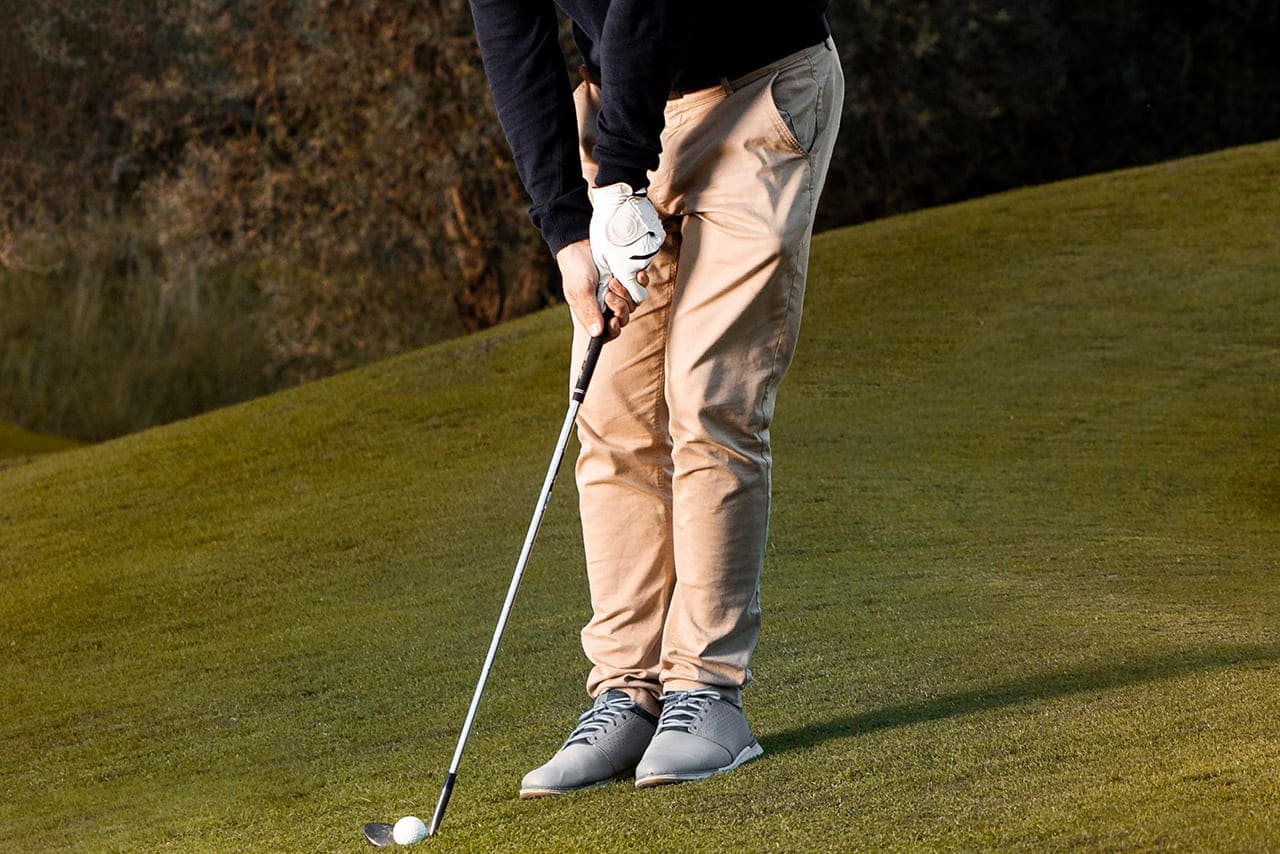
The right golf glove isn’t just an accessory—it’s a critical tool that bridges the gap between your hand and the club, directly impacting grip, control, and comfort on the course. While fit and design matter, the material of your golf glove is the foundation of its performance. From premium leathers like Cabretta to durable synthetics and versatile hybrids, each material offers unique benefits tailored to different golfers, playing styles, and weather conditions. For both casual golfers and B-end buyers (e.g., pro shops, golf courses, private label brands), understanding golf glove materials is key to making informed purchasing decisions. In this guide, we break down the most common golf glove materials—Cabretta leather, sheepskin, synthetic, and more—explaining their origins, performance traits, pros, cons, and ideal use cases.
The Gold Standard: Cabretta Leather Golf Gloves
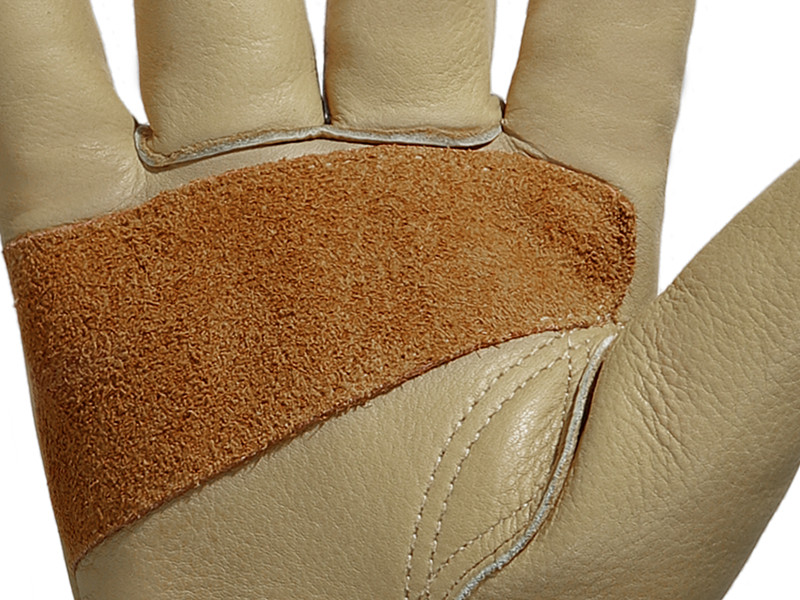
Cabretta leather is widely regarded as the premium choice for golf gloves, favored by tour pros and serious golfers alike. Sourced from the hides of hair sheep native to South America (primarily Brazil and Argentina), Cabretta leather is prized for its unique combination of softness, grip, and durability—attributes that make it ideal for golf’s precise grip requirements.
Key Traits: Feel & Fit: Cabretta leather is exceptionally soft and supple, conforming to the shape of your hand over time like a “second skin.” This snug, personalized fit enhances tactile feedback, allowing golfers to feel the club’s grip and make subtle adjustments mid-swing.Grip Performance: The natural grain of Cabretta leather provides superior tackiness, even in slightly damp conditions. Unlike synthetic materials, it doesn’t become slippery when exposed to light sweat or morning dew, making it a top choice for consistent swings.Durability: While softer than other leathers, high-quality Cabretta leather is surprisingly durable—especially when properly cared for. It resists tearing and wear in high-friction areas (e.g., the palm and fingers) better than lower-grade leathers.Pros: Premium feel, exceptional grip, breathable, conforms to hand, preferred by tour pros (including Tiger Woods, who has relied on Cabretta leather gloves throughout his career). Cons: Higher price point (typically $25–$50 per glove), requires regular care (cleaning and conditioning) to prevent drying and cracking, less water-resistant than synthetics, may wear faster with frequent use in humid climates.
Ideal For: Serious golfers, tour pros, players who prioritize feel and grip over cost, and those who play in mild, dry to slightly damp conditions. B-end buyers (pro shops, private label brands) often use Cabretta leather for premium product lines to attract discerning golfers.
The Classic Alternative: Sheepskin Golf Gloves
Sheepskin is another popular leather option for golf gloves, offering a balance of comfort and affordability that makes it a favorite among casual and intermediate golfers. Sourced from domestic sheep, sheepskin is thicker and more rugged than Cabretta leather, with a warm, plush feel that sets it apart.
Key Traits: Comfort & Warmth: Sheepskin’s natural wool lining (or suede finish) provides extra warmth and softness, making it ideal for cool-weather play. It’s also highly breathable, preventing sweat buildup during longer rounds.Grip: While not as tacky as Cabretta leather, sheepskin offers reliable grip in dry conditions. Its slightly textured surface helps maintain control, even during aggressive swings.Durability: Sheepskin is thicker and more resistant to wear than Cabretta leather, making it a longer-lasting option for casual golfers who play 1–2 times per week.Pros: Affordable (typically $15–$30 per glove), warm, durable, low-maintenance, comfortable for extended wear. Cons: Less supple than Cabretta leather (may take longer to break in), grip diminishes in wet conditions, bulkier feel (may reduce tactile feedback for precision shots).
Ideal For: Casual golfers, intermediate players, those who play in cool or mild weather, and B-end buyers looking for a cost-effective leather option for mid-range product lines. It’s also a popular choice for golfers with sensitive hands, thanks to its soft, non-abrasive texture.
The Versatile Workhorse: Synthetic Golf Gloves
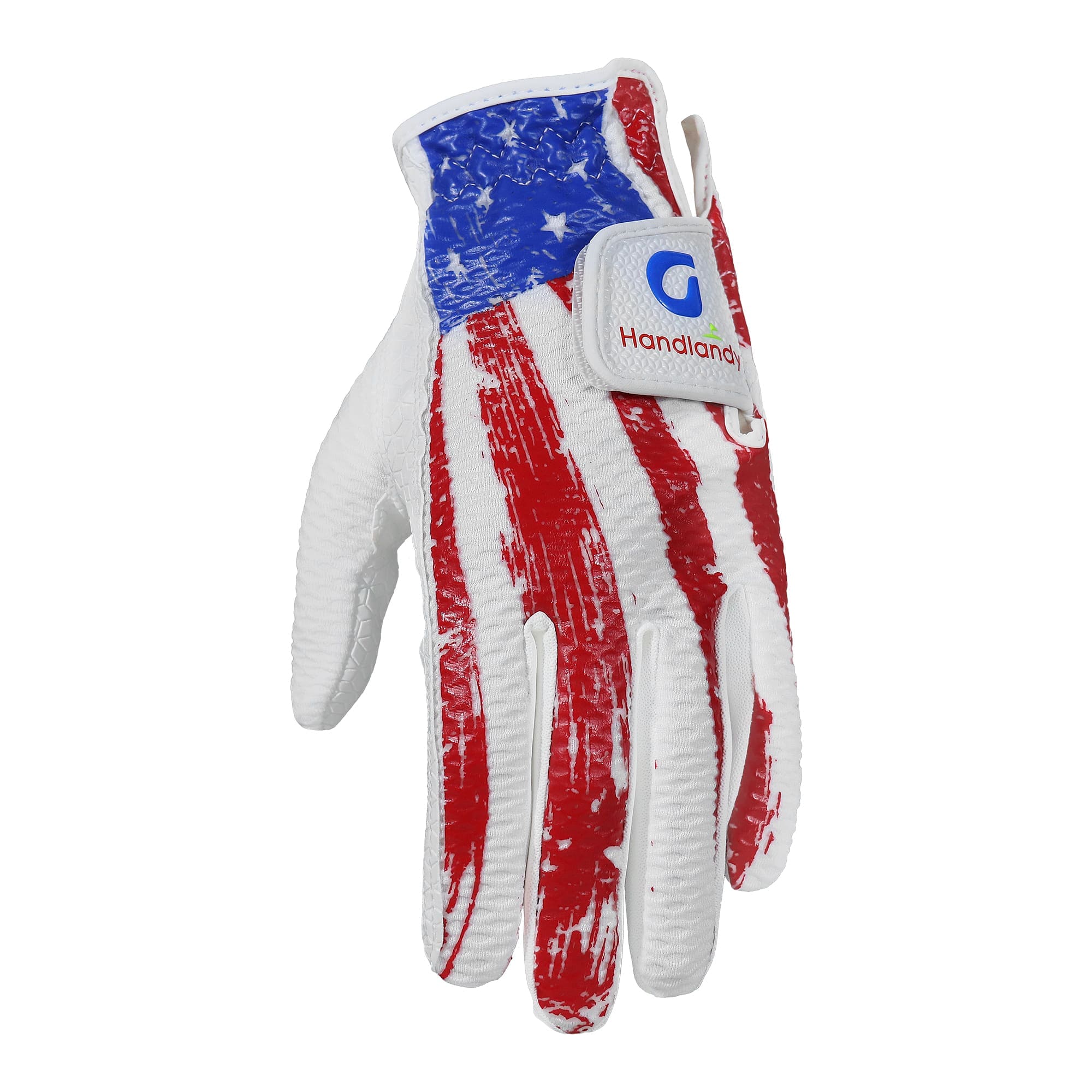
Synthetic golf gloves have grown in popularity over the past decade, thanks to advancements in material technology that mimic the feel of leather while offering enhanced durability and weather resistance. Common synthetic materials include polyurethane (PU), microfiber, polyester, and nylon—each engineered for specific performance needs.
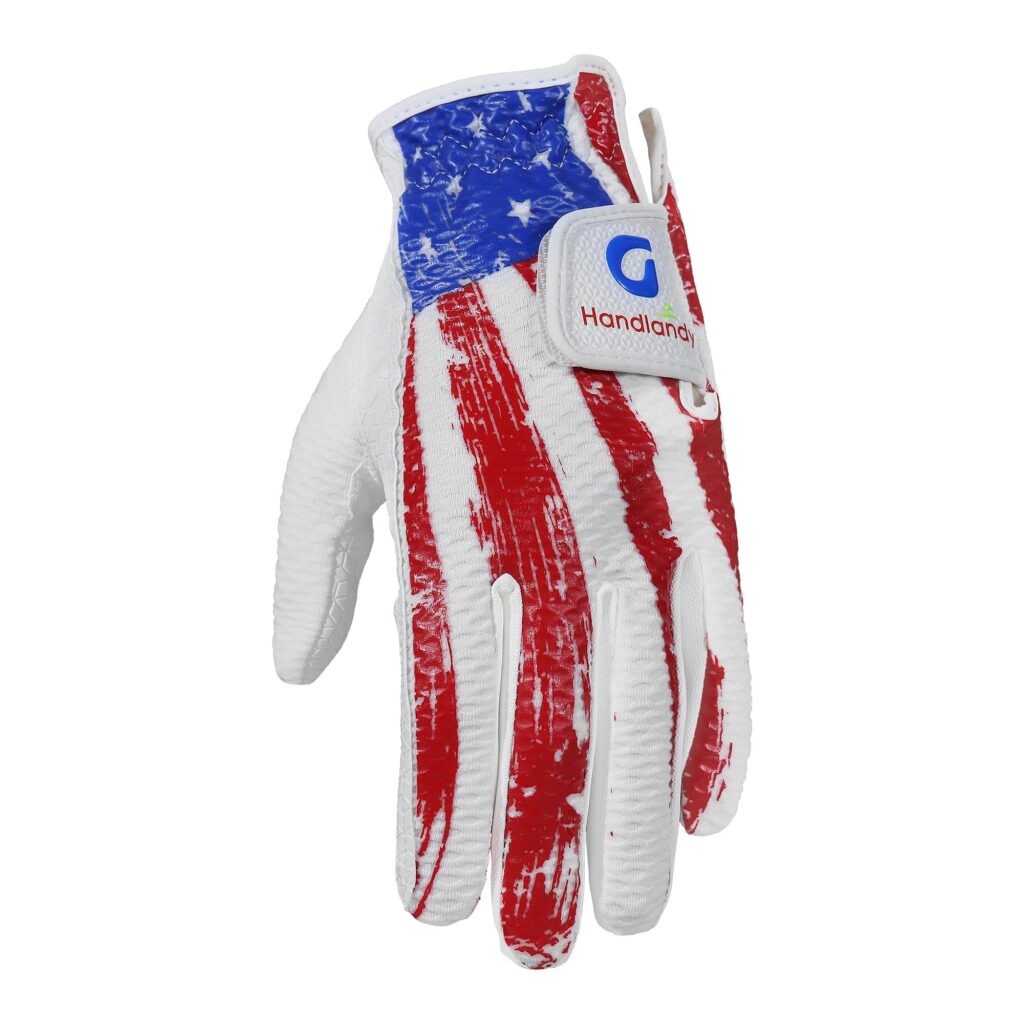
Key Traits (By Material Type):PU Synthetic Leather: The most leather-like synthetic, PU offers a soft feel and good grip, with added water resistance. It’s lightweight and conforms to the hand, making it a popular choice for all-weather play.Microfiber: Ultra-soft and lightweight, microfiber gloves excel at moisture-wicking, making them ideal for hot, humid weather. They offer excellent grip in both dry and slightly wet conditions and are easy to clean.Polyester/Nylon Blends: Durable and affordable, these blends are often used in budget-friendly gloves. They’re lightweight, breathable, and quick-drying, but may lack the tactile feel of leather or premium synthetics.Pros: Affordable (typically $10–$25 per glove), highly durable, water-resistant, low-maintenance (machine-washable), versatile (works in all weather conditions), consistent fit (doesn’t stretch or conform like leather). Cons: Less tactile feedback than leather, may feel “stiff” initially, grip can diminish in extreme wet conditions, some synthetics may trap sweat in hot weather.
Ideal For: Casual golfers, beginners, players who play in wet or humid weather, and B-end buyers (wholesalers, pro shops) looking for cost-effective, durable gloves for mass appeal. Synthetic gloves are also a top choice for junior golfers, as they hold up to frequent use and are easy to replace.
The Best of Both Worlds: Hybrid Golf Gloves
Hybrid golf gloves combine leather (typically Cabretta or sheepskin) and synthetic materials to balance the strengths of both. For example, a hybrid glove might feature a Cabretta leather palm (for grip and feel) and a synthetic back (for breathability and water resistance). This design caters to golfers who want the best of both worlds—premium grip and enhanced durability.
Key Traits: Performance Balance: Leather palms provide superior grip and feel, while synthetic backs offer breathability, flexibility, and weather resistance.Durability: Synthetic materials in high-wear areas (e.g., the back of the hand, wrist) extend the glove’s lifespan, making hybrids a long-lasting option.Versatility: Hybrids perform well in a variety of weather conditions, from dry to slightly wet, making them a great all-around choice.Pros: Balances grip/feel and durability, versatile (all-weather), breathable, longer-lasting than full leather gloves. Cons: More expensive than full synthetic gloves (typically $20–$40 per glove), may not offer the same premium feel as full Cabretta leather.
Ideal For: Intermediate to advanced golfers, players who play in variable weather conditions, and B-end buyers looking to offer a “premium value” product line that appeals to a wide range of golfers.
Other Less Common Materials to Consider
While Cabretta, sheepskin, synthetic, and hybrid materials dominate the market, there are a few niche options worth noting:
- Vegan Leather: A cruelty-free alternative to animal leather, vegan leather (made from plant-based materials like pineapple leaf fiber or mushroom leather) offers similar performance to synthetic leather, with the added benefit of being eco-friendly. Ideal for environmentally conscious golfers and B端 buyers focusing on sustainability.
- Calfskin: A premium leather option, calfskin is softer than sheepskin but less common than Cabretta. It offers excellent feel and grip but is more expensive and less durable.
- Knit/Fleece: Designed for cold-weather play, knit or fleece gloves provide warmth and flexibility, with a synthetic palm for grip. They’re not ideal for warm weather but are a must-have for winter golfers.
How to Choose the Right Golf Glove Material
When selecting a golf glove material, consider these key factors:
- Playing Frequency: Frequent players (3+ times per week) may benefit from durable synthetics or hybrids, while occasional players can opt for premium leather (Cabretta) for better feel.
- Weather Conditions: Hot/humid weather calls for breathable synthetics or microfiber; cool weather suits sheepskin or fleece; wet weather requires water-resistant synthetics or hybrids.
- Budget: Cabretta leather is the most expensive, followed by hybrids, sheepskin, and synthetic materials.
- Skill Level: Beginners may prefer affordable synthetics (easy to replace), while advanced players often prioritize Cabretta leather for tactile feedback.
- B-end Considerations: Pro shops and private label brands should align materials with their target audience—premium lines for serious golfers (Cabretta), mid-range for casual players (sheepskin/hybrids), and budget lines for beginners (synthetics).
Conclusion
Golf glove materials are not one-size-fits-all—each option offers unique benefits that cater to different golfers and use cases. Cabretta leather remains the gold standard for feel and grip, while sheepskin provides a classic, affordable alternative. Synthetic materials excel in durability and weather resistance, and hybrids offer the best of both worlds. For golfers, understanding these materials ensures you select a glove that enhances your game, while B-end buyers can use this knowledge to curate product lines that meet the needs of their target customers. Whether you’re a casual golfer looking for a reliable glove or a pro shop owner sourcing inventory, the right material is key to satisfaction, performance, and long-term value. At PRI, we offer golf gloves in all these materials, tailored to both C-end and B-end needs—helping you find the perfect balance of feel, durability, and value.