Golf is a game of fluid motion, and every part of your equipment either supports or disrupts that rhythm. Among the most underappreciated factors is the flexibility of your golf glove. A glove that moves naturally with your hand supports a smooth, powerful swing. One that is stiff, restrictive, or overly loose can throw off your timing, wrist action, and grip pressure—ruining even the most well-practiced mechanics.

Professional golfers pay extremely close attention to glove flexibility because it directly connects their hand movement to the club’s motion. In this article, we explain how different levels of flexibility alter your swing and which type works best for different playing styles.
Flexibility & Wrist Hinge: The Core of Swing Power
Wrist hinge is where most of a golfer’s power and control originate. During the backswing, your wrists must cock smoothly; during the downswing, they must release cleanly through impact.
A highly flexible glove allows full, unrestricted wrist movement. Stiffer or overly padded gloves limit this hinge, forcing you to swing harder to compensate and leading to:
- Reduced clubhead speed
- Inconsistent contact
- Loss of control over the clubface
- Tight, tense swings that increase fatigue
Tour players almost exclusively use lightweight, highly flexible gloves to preserve natural wrist motion throughout the swing.
Flexibility and Grip Pressure
Grip pressure is one of the most common swing faults among amateur golfers. A glove that is too stiff or bulky makes players hold the club tighter than necessary, creating tension in the hands, forearms, and shoulders.
A flexible glove promotes a lighter, more relaxed grip pressure, which:
- Improves swing tempo
- Increases feel around the greens
- Reduces muscle fatigue over 18 holes
- Helps maintain consistent swing path
Even small improvements in flexibility can lead to noticeably smoother, more controlled swings.
Low Flexibility (Stiff, Structured Gloves)
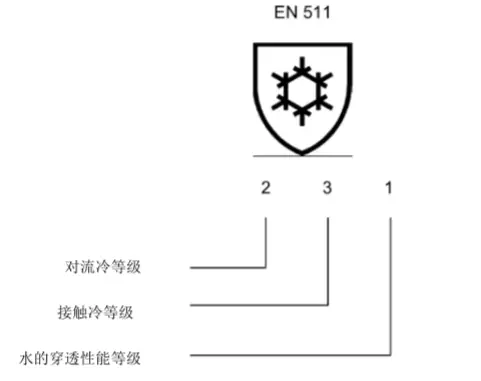
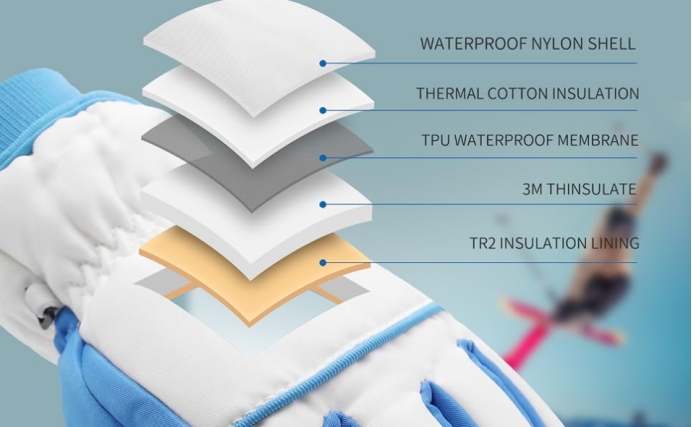
Some gloves—especially those designed for durability or cold weather—use thicker materials and less stretchable fabrics. These gloves offer greater protection and longevity but restrict hand movement.
Effects on Swing:
- Restricted wrist hinge
- Higher grip tension
- Heavier feel during the swing
- Reduced feedback and touch
Best For: Cold weather play, beginners, players who prioritize durability over feel.
Moderate Flexibility (Balanced Gloves)
Most standard golf gloves offer balanced flexibility: enough stretch to move naturally, but enough structure to maintain shape and support. This is the most versatile category and suits the widest range of golfers.
Effects on Swing:
- Smooth wrist hinge with mild support
- Stable grip without tension
- Consistent performance across full swings and short games
- Good durability without sacrificing feel
Best For: Most amateur golfers, regular players, all-around performance.
High Flexibility (Ultra-Soft, Tour-Level Gloves)
Premium Cabretta leather gloves are designed for maximum flexibility and minimal restriction. They stretch with the hand, move with the swing, and provide almost no resistance during motion.
Effects on Swing:
- Full, free wrist hinge for maximum power
- Ultra-light feel that promotes relaxed grip pressure
- Enhanced feedback and touch on chips, pitches, and putts
- Consistent tempo throughout the round
Best For: Low-handicap golfers, competitive players, tour-level performance, players who prioritize feel and swing fluidity.
Flexibility in Different Weather Conditions
Glove flexibility also changes based on environment:
- In cold weather, stiffer gloves help retain warmth but restrict swing more.
- In hot weather, highly flexible, breathable gloves prevent sweat buildup and keep swings smooth.
- In wet conditions, flexible synthetic gloves maintain movement better than saturated leather.
Matching flexibility to the weather helps keep your swing consistent year-round.
Conclusion
Glove flexibility is far more than a comfort issue—it directly impacts swing mechanics, wrist hinge, grip pressure, and overall performance on the course. A flexible glove supports a natural, relaxed swing, while a stiff one introduces tension and restriction.
Whether you’re a competitive golfer chasing consistency or a casual player looking for smoother swings, choosing the right level of flexibility ensures your glove works with your swing—not against it. The best golf gloves feel like an extension of your hand, allowing you to swing freely, confidently, and consistently on every shot.